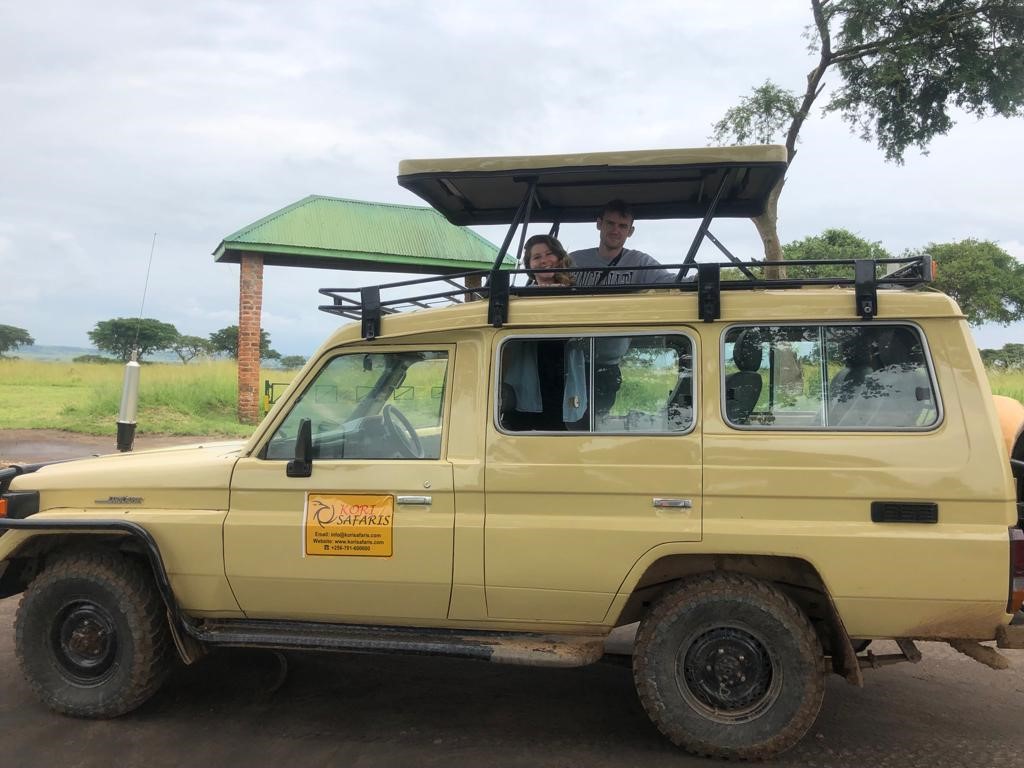
Planning a safari should feel exciting , not overwhelming. At Kori Safaris, we make it simple, personal, and unforgettable. We're a Uganda-based tour operator, registered and authorized by the Ministry of Tourism, the Uganda Wildlife Authority (UWA), and the Uganda Tourist Board (UTB), organizing holiday safaris across Uganda, Tanzania, Rwanda, and Kenya.
We go beyond the ordinary game drive. Whether you're trekking through Bwindi's misty forests to meet mountain gorillas, tracking chimpanzees in Kibale, or witnessing the great migration on the Serengeti , we're with you every step of the way, with guides who know these landscapes like the back of their hand.
Every safari we plan is tailored to you , your pace, your interests, your budget. No cookie-cutter itineraries, just real experiences that connect you to Africa's wildlife, people, and culture in a way that stays with you long after you've returned home.
Your African adventure starts here. Let's plan it together.
Planning a safari should feel exciting , not overwhelming. At Kori Safaris, we make it simple, personal, and unforgettable. We're a Uganda-based tour operator, registered and authorized by the Ministry of Tourism, the Uganda Wildlife Authority (UWA), and the Uganda Tourist Board (UTB), organizing holiday safaris across Uganda, Tanzania, Rwanda, and Kenya.
We go beyond the ordinary game drive. Whether you're trekking through Bwindi's misty forests to meet mountain gorillas, tracking chimpanzees in Kibale, or witnessing the great migration on the Serengeti , we're with you every step of the way, with guides who know these landscapes like the back of their hand.
Every safari we plan is tailored to you , your pace, your interests, your budget. No cookie-cutter itineraries, just real experiences that connect you to Africa's wildlife, people, and culture in a way that stays with you long after you've returned home.
Your African adventure starts here. Let's plan it together.
Planning a safari should feel exciting , not overwhelming. At Kori Safaris, we make it simple, personal, and unforgettable. We're a Uganda-based tour operator, registered and authorized by the Ministry of Tourism, the Uganda Wildlife Authority (UWA), and the Uganda Tourist Board (UTB), organizing holiday safaris across Uganda, Tanzania, Rwanda, and Kenya.
We go beyond the ordinary game drive. Whether you're trekking through Bwindi's misty forests to meet mountain gorillas, tracking chimpanzees in Kibale, or witnessing the great migration on the Serengeti , we're with you every step of the way, with guides who know these landscapes like the back of their hand.
Every safari we plan is tailored to you , your pace, your interests, your budget. No cookie-cutter itineraries, just real experiences that connect you to Africa's wildlife, people, and culture in a way that stays with you long after you've returned home.
Your African adventure starts here. Let's plan it together.
Tanzania Safaris -Big Five, Great Migration. All of Wild Africa in One Place
If Africa has a place that does everything on a grand scale, it’s Tanzania.
Sharing borders with Uganda and Kenya to the north, Tanzania quietly holds a concentration of wildlife, wilderness and wonder that is genuinely hard to prepare for. The country doesn’t ease you in gently , it opens wide, and keeps going. Vast plains that stretch to the edge of sight. A volcanic crater that cradles its own self-contained world of predators and prey. Forests ancient enough to have watched the continent take shape. And above it all, the permanent white crown of Kilimanjaro , Africa’s highest peak , watching over everything.
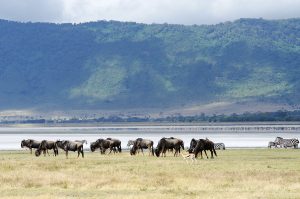
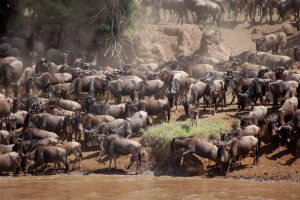
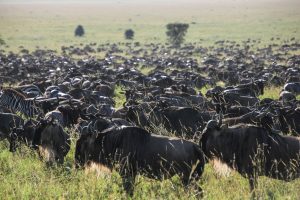
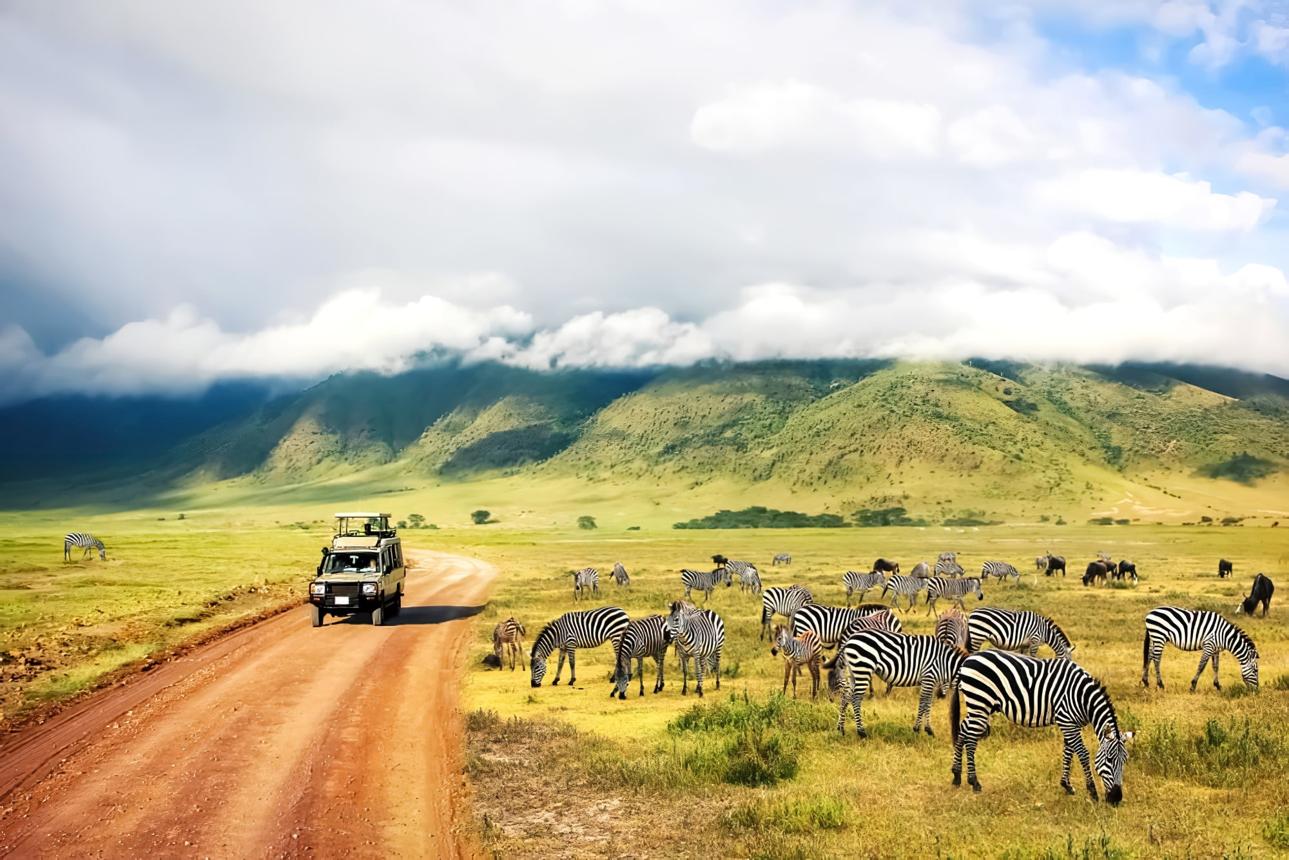
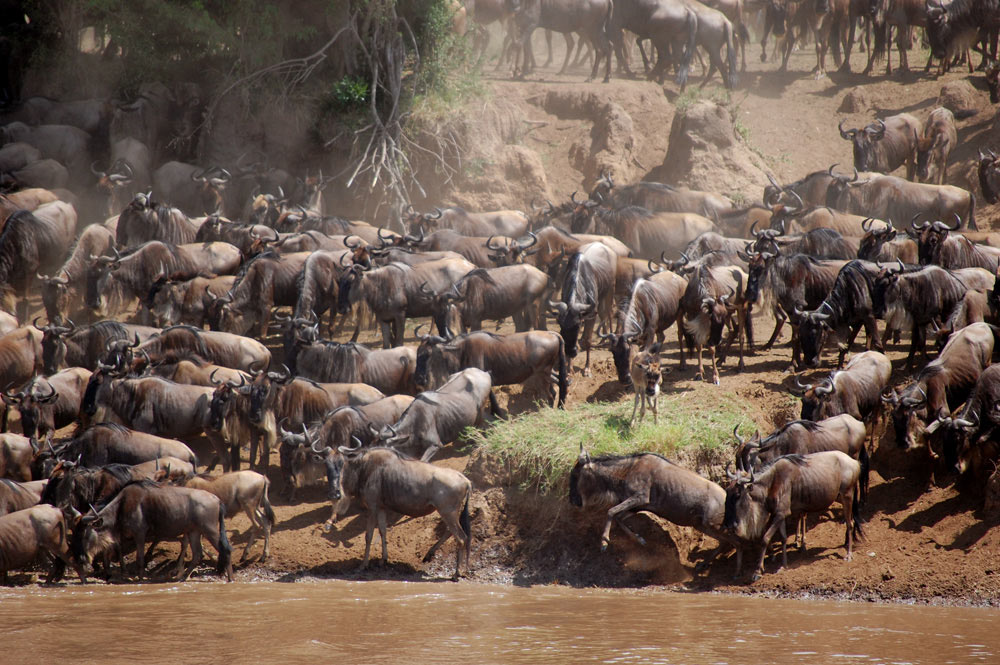
The Serengeti is the headline act, and rightly so. There is nothing quite like standing on those open plains as the horizon fills with wildebeest , hundreds of thousands of them moving together in one of the oldest rhythms in nature. The river crossings at the Mara are chaotic, electric, and completely unforgettable. But Tanzania is far more than one park and one migration.
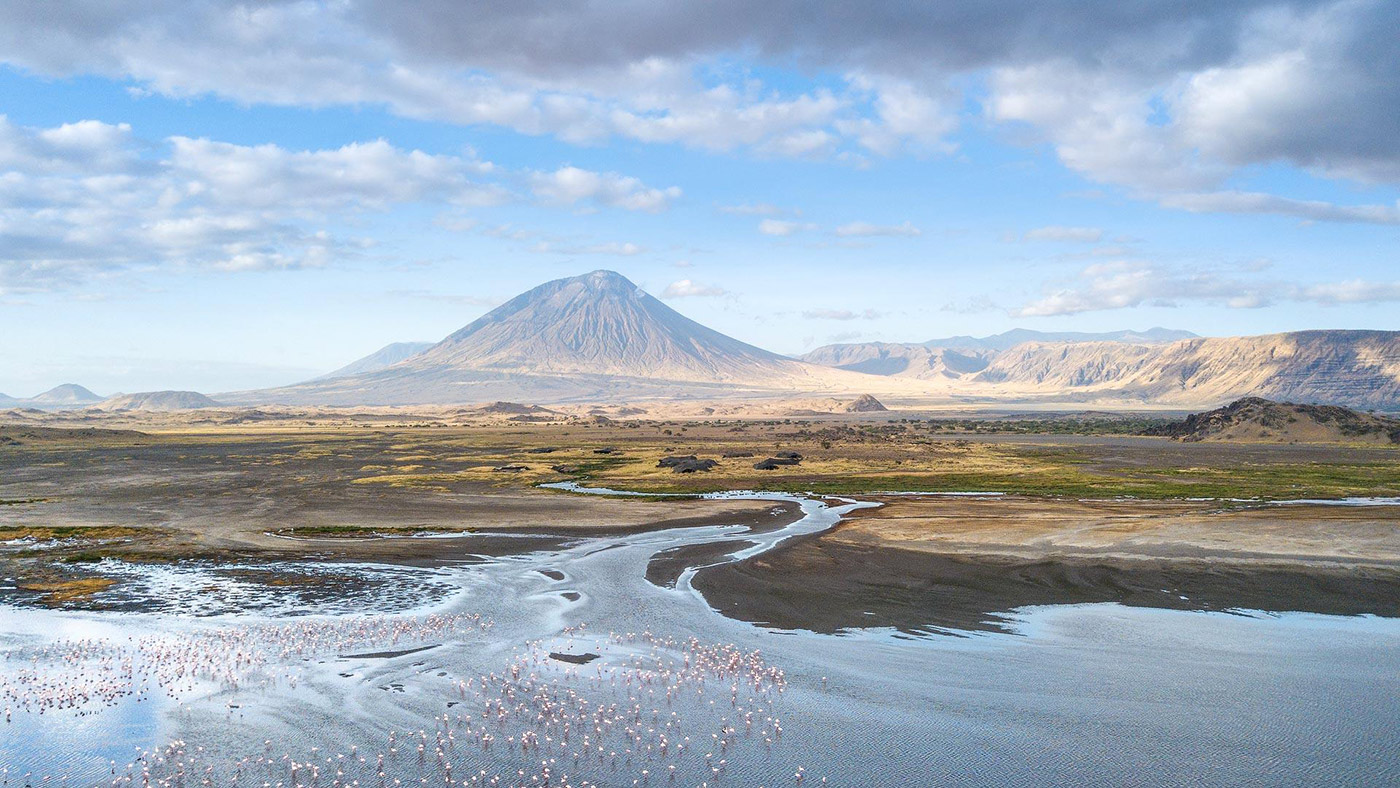
Drop into the Ngorongoro Crater and you’ll find a world unto itself , lion prides, black rhino, flamingo-pink lakes and elephant herds all contained within the walls of an ancient collapsed volcano.
Head south into Nyerere National Park and the crowds thin out completely , this is Tanzania in its rawest form, explored by boat along winding channels, on foot through the bush, with nothing between you and the wild.
Further still, the forests of Mahale hide chimpanzee communities so habituated to humans that you can sit among them and simply watch family life unfold.
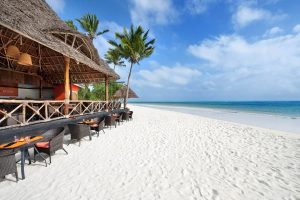
And when the safari dust settles, Zanzibar waits just offshore , white sand, turquoise water, and the narrow spice-scented lanes of Stone Town offering the perfect exhale at the end of an extraordinary journey. Tanzania doesn’t ask to be impressive. It simply is.
At Kori Safaris, we’ll take you through all of it , on your terms, at your pace, with guides who know these landscapes like the backs of their hands.
Serengeti National Park
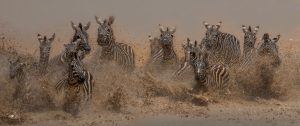
This is the most famous wildlife destination in Tanzania due to the Great Migration and offers the world’s best wildlife viewing opportunities as thousands of wildebeests and zebras travel long distances in search for pastures and water.
Ngorongoro Conservation Area The Ngorongoro Crater, often referred to as the Garden of Eden, and a UNESCO World Heritage Site is home to various species of wildlife, especially the Big Five.
Tarangire National Park This National Park is known for its large elephant herds and diverse birdlife. It’s a good place for bird watching.
Mount Kilimanjaro Trekking to the summit of Africa’s highest peaks is a challenge worth undertaking. Kilimanjaro has different routes to choose from, each with its own unique scenery as you hike through the rain forests and changing vegetaion around the mountain.
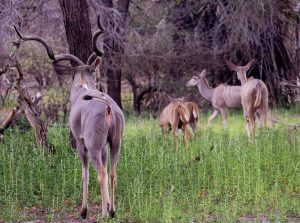
Arusha National Park The park has the largest giraffe population in the world and also known for hikes to the peak of Mount Meru. Its home to many wildlife species.
Zanzibar and the Islands of Tanzania
Relax on the pristine beaches of Zanzibar, explore the historic Stone Town, and savor the island’s blend of African, Arab, and Indian cultures. Don’t forget to indulge in the local cuisine.
Selous Game Reserve As one of Africa’s largest game reserves, Selous offers a more remote and secluded safari experience with boat safaris on the Rufiji River.
Lake Manyara National Park Renowned for its tree-climbing lions, this park also offers excellent birdwatching and stunning lake views.
Ruaha National Park A lesser-known gem, Ruaha boasts rugged landscapes and is famous for its large population of predators, including lions and leopards.
Mahale Mountains National Park For a different wildlife encounter, visit Mahale to see chimpanzees in their natural habitat. Join the trekking experience through thick rainforests on your way to the summit.
Usambara Mountains
Explore the charming villages, lush forests, and panoramic viewpoints of the Usambara Mountains on a trekking adventure.
Pangani
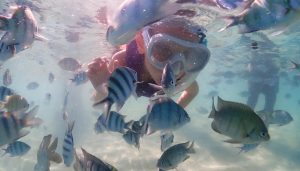
A coastal town with historic architecture, beautiful beaches, and opportunities for diving and snorkeling.
Uwanda National Park Uwanda has cool rocks and wild dogs. You can explore the land.
Saadani National Park Saadani is where the land meets the ocean. You can see elephants and enjoy the beach.
What to Do in Tanzania – Activities on a Safari to Tanzania
A Tanzania holiday offers a wide range of activities and adventures to suit various interests. Here are some exciting things to do during your visit:
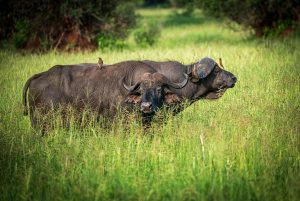
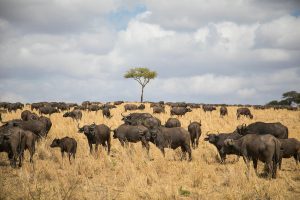
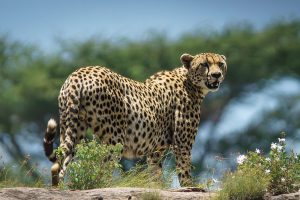
Wildlife Safaris: Tanzania is renowned for its wildlife. Go on game drives in national parks like Serengeti and Ngorongoro to spot the Big Five (lion, elephant, buffalo, leopard, and rhinoceros) and other fascinating animals.
Hot Air Balloon Safaris: Experience the Serengeti from a unique perspective by taking a hot air balloon ride. Watch the sunrise as you float above the savannah, witnessing wildlife from the air.
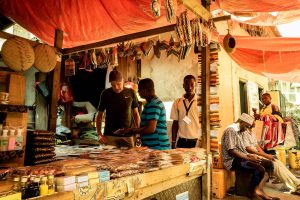
Cultural Tours: Come experience the rich cultural heritage of Tanzania. Interact with locals and learn about their traditions on a village tour.
Mountain Climbing: Go on the adventure of a lifetime by climbing Mount Kilimanjaro, Africa’s highest peak. Alternatively, hike Mount Meru or explore the Usambara Mountains.
Birdwatching: Tanzania is a birdwatcher’s paradise, with over 1,100 bird species. Explore parks like Lake Manyara and Arusha National Park for incredible birding opportunities.
Zanzibar Beaches: After your safari or trek, head to Zanzibar for relaxation on pristine beaches.
Snorkeling and Diving: Tanzania offers world-class underwater experiences. Take part in coral reefs teeming with marine life.
Historical and Cultural Sites: Explore Stone Town in Zanzibar, a UNESCO World Heritage site filled with historic architecture, bustling markets, and a blend of cultures.
Chimpanzee Trekking: Visit Mahale Mountains National Park for a chance to trek with wild chimpanzees in their natural habitat.
Hot Springs: Relax in the natural hot springs in areas like Lake Manyara and Chemka. It’s a soothing and rejuvenating experience.
Canoeing and Boat Safaris: Explore Tanzania’s waterways on canoe trips or take a boat safari on the Rufiji River in Selous Game Reserve.
Spice Tours: In Zanzibar, discover the island’s rich history of spice production by taking a spice tour to see and taste various spices and tropical fruits.
Hiking and Nature Walks: Enjoy guided hikes and nature walks in various parks and reserves to appreciate Tanzania’s diverse flora and fauna up close.
Camping: Experience the thrill of camping in the wilderness. Many parks offer camping facilities, providing a unique connection to nature.P
Photography: Capture the stunning landscapes, wildlife, and cultural moments. There are endless opportunities for photographers.
Relaxation and Wellness: Many lodges and resorts in Tanzania offer spa and wellness services, providing a perfect way to unwind after adventures.
Local Cuisine: Savor the flavors of Tanzanian cuisine, including dishes like Ugali, Nyama Choma (grilled meat), and Swahili curries.
By following these travel tips and conducting enough research, you can make the most of your Tanzania tour and have a safe and memorable holiday touring this beautiful East African country.
Accommodation in Tanzania (Hotels and Safari Lodges)
When planning a safari, your choice of accommodation is a very important part of the adventure. Tanzania offers a diverse range of places to stay, ensuring that every traveler finds comfort amidst the wilderness.
From luxurious lodges perched on the rim of the Ngorongoro Crater to tented camps nestled under the vast African sky in the Serengeti, accommodation options blend seamlessly with the natural surroundings. Wake up to the roars of lions, the trumpeting of elephants, or the rustling of leaves in the gentle breeze.
In Zanzibar, historic Stone Town boasts charming boutique hotels with centuries-old architecture, while the island’s beachfront resorts offer paradise-like serenity.
Cost of a Tanzania Holiday
The cost of a Tanzania safari can vary depending on several factors, including the type of safari, the duration, the level of accommodation, and the time of year you choose to visit. Here’s a rough breakdown of the average costs for different types of safaris
Budget Camping Safari: These safaris involve camping in basic tents and using shared facilities. Prices can range from $100 to $300 per person per day.
Mid-Range Lodge Safari: Staying in mid-range lodges or tented camps with more comfortable amenities and services can cost between $300 to $600 per person per day.
Luxury Safari: Luxury safaris offer high-end accommodations, private guides, and exclusive experiences. Prices for luxury safaris can range from $600 to $1,500 or more per person per day.
Kilimanjaro Trek: Climbing Mount Kilimanjaro involves additional costs for permits, guides, porters, and equipment. Prices typically start at around $1,000 and can go up to $5,000 or more, depending on the route and level of service.
Zanzibar Beach Extension: If you plan to visit Zanzibar as part of your Tanzania trip, budget an additional $100 to $500 or more per person per day for accommodation and activities.
Note that these are rough estimates, and actual costs can vary based on your preferences and the tour operator you choose. It’s essential to inquire about what is included in the price (such as flights, park fees, meals, transportation, and guide services) and any additional costs (like gratuities, alcoholic beverages, and optional activities) when booking a safari.
Additionally, the time of year you visit can impact costs. Peak tourist seasons, such as the Great Migration season (June to September), tend to be more expensive than the low or shoulder seasons.
To get an accurate quote for your specific Tanzania safari, it’s advisable to contact reputable tour operators and discuss your preferences and budget with them. They will provide you with more detailed itineraries and pricing options tailored to your needs to choose from.
Tanzania offers diverse attractions. Must-visit destinations include Serengeti National Park, Ngorongoro Conservation Area, Mount Kilimanjaro, Zanzibar Island, and Tarangire National Park.
The dry season from June to October is ideal for safaris and trekking. The wet season (November to May) is great for birdwatching, but some areas may be inaccessible due to heavy rains.
The dry season from June to October is ideal for safaris and trekking. The wet season (November to May) is great for birdwatching, but some areas may be inaccessible due to heavy rains.
Most travelers can obtain a tourist visa upon arrival at Tanzanian airports and border crossings. However, it’s advisable to check visa requirements based on your nationality before traveling.
Consult your healthcare provider for necessary vaccinations, including yellow fever and malaria prophylaxis. It’s essential to carry mosquito repellent and stay updated on health advisories.
Pack lightweight, neutral-colored clothing for safaris, sturdy walking shoes, sunblock, insect repellent, a wide-brimmed hat, and binoculars for wildlife viewing.
Tanzanians are generally friendly and respectful. It’s advisable to dress modestly, especially in rural areas. Ask for permission before taking photos of people, and respect local customs and traditions.
Apart from safaris, consider hiking Mount Kilimanjaro, exploring Zanzibar’s beaches, snorkeling, diving, and visiting local villages for cultural experiences.
The Tanzanian Shilling (TZS) is the currency. You can exchange money at banks, exchange bureaus, or withdraw from ATMs. Credit cards are widely accepted in urban areas.
Yes, it’s highly recommended to book a reputable local guide or tour operator, especially for safaris and mountain treks. They provide expertise, ensure safety, and enhance your experience.
The Great Migration is the annual movement of millions of wildebeests and zebras in search of fresh grazing. The best time to witness it in Tanzania is generally from June to September in the northern Serengeti.
Travel guidelines related to COVID-19 can change, so it’s crucial to check the latest requirements, including testing and quarantine regulations, before your trip.