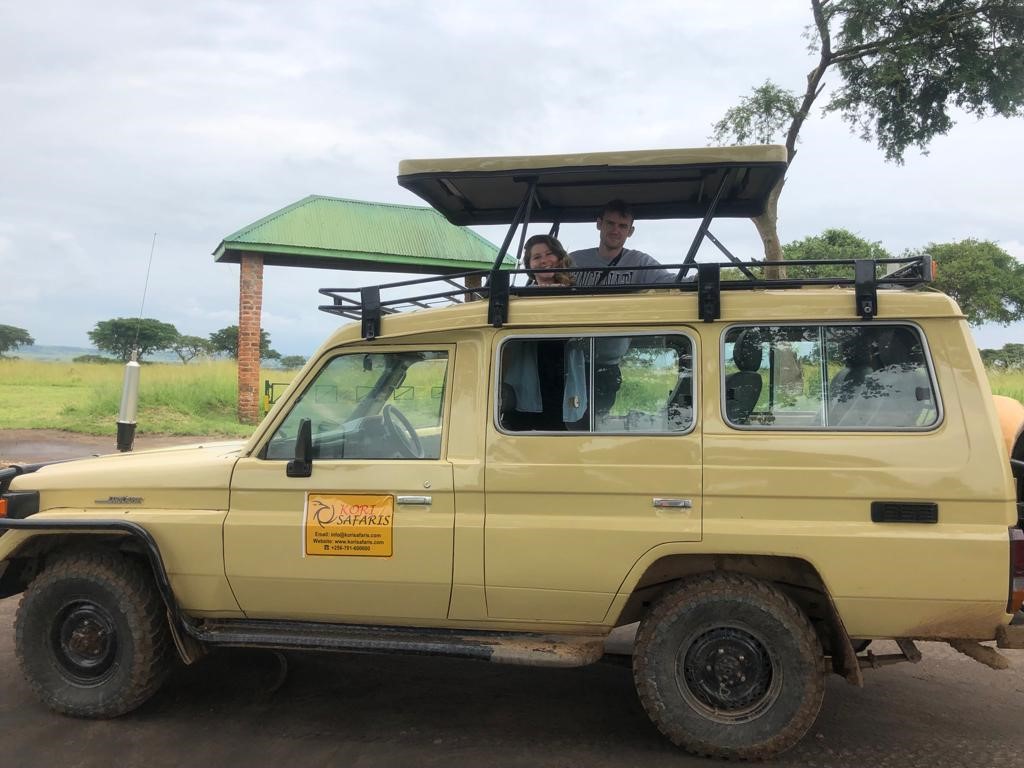
Planning a safari should feel exciting , not overwhelming. At Kori Safaris, we make it simple, personal, and unforgettable. We're a Uganda-based tour operator, registered and authorized by the Ministry of Tourism, the Uganda Wildlife Authority (UWA), and the Uganda Tourist Board (UTB), organizing holiday safaris across Uganda, Tanzania, Rwanda, and Kenya.
We go beyond the ordinary game drive. Whether you're trekking through Bwindi's misty forests to meet mountain gorillas, tracking chimpanzees in Kibale, or witnessing the great migration on the Serengeti , we're with you every step of the way, with guides who know these landscapes like the back of their hand.
Every safari we plan is tailored to you , your pace, your interests, your budget. No cookie-cutter itineraries, just real experiences that connect you to Africa's wildlife, people, and culture in a way that stays with you long after you've returned home.
Your African adventure starts here. Let's plan it together.
Planning a safari should feel exciting , not overwhelming. At Kori Safaris, we make it simple, personal, and unforgettable. We're a Uganda-based tour operator, registered and authorized by the Ministry of Tourism, the Uganda Wildlife Authority (UWA), and the Uganda Tourist Board (UTB), organizing holiday safaris across Uganda, Tanzania, Rwanda, and Kenya.
We go beyond the ordinary game drive. Whether you're trekking through Bwindi's misty forests to meet mountain gorillas, tracking chimpanzees in Kibale, or witnessing the great migration on the Serengeti , we're with you every step of the way, with guides who know these landscapes like the back of their hand.
Every safari we plan is tailored to you , your pace, your interests, your budget. No cookie-cutter itineraries, just real experiences that connect you to Africa's wildlife, people, and culture in a way that stays with you long after you've returned home.
Your African adventure starts here. Let's plan it together.
Planning a safari should feel exciting , not overwhelming. At Kori Safaris, we make it simple, personal, and unforgettable. We're a Uganda-based tour operator, registered and authorized by the Ministry of Tourism, the Uganda Wildlife Authority (UWA), and the Uganda Tourist Board (UTB), organizing holiday safaris across Uganda, Tanzania, Rwanda, and Kenya.
We go beyond the ordinary game drive. Whether you're trekking through Bwindi's misty forests to meet mountain gorillas, tracking chimpanzees in Kibale, or witnessing the great migration on the Serengeti , we're with you every step of the way, with guides who know these landscapes like the back of their hand.
Every safari we plan is tailored to you , your pace, your interests, your budget. No cookie-cutter itineraries, just real experiences that connect you to Africa's wildlife, people, and culture in a way that stays with you long after you've returned home.
Your African adventure starts here. Let's plan it together.
Rwanda Safaris & Tours - The Africa That Gets Under Your Skin
Some destinations tick boxes. Rwanda changes people.
Tucked into the heart of East Africa, Rwanda is compact in size but staggering in what it holds. The hills never seem to end , ridge after ridge, draped in every shade of green, dissolving into mist at the edges. It’s the kind of landscape that makes you slow down, look up, and quietly wonder how you hadn’t come sooner. But it’s what lives inside those forests that most people come for.
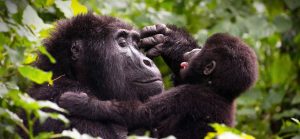
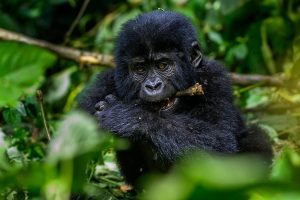
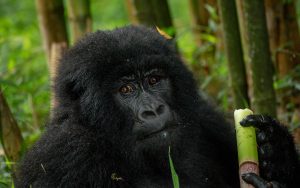
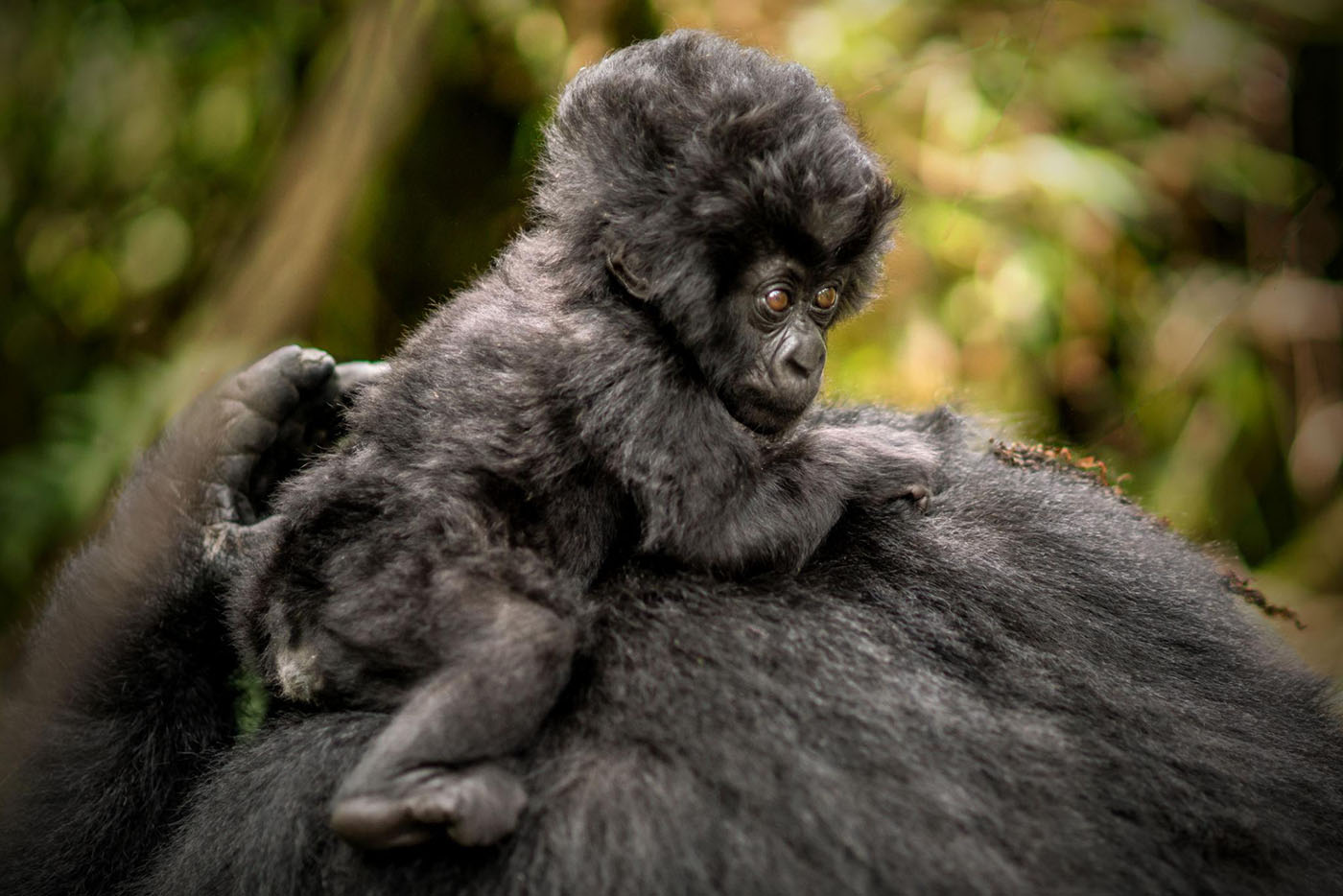
Deep in the bamboo slopes of Volcanoes National Park, mountain gorillas move through the mist like shadows. Getting close enough to watch a silverback rest, a mother nurse her infant, or a young male play , on their terms, in their world , is one of the genuinely rare wildlife encounters left on this planet. No zoo, no screen, no description prepares you for that moment.
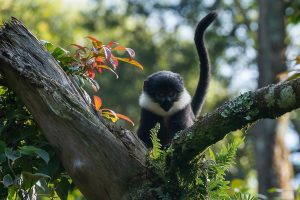
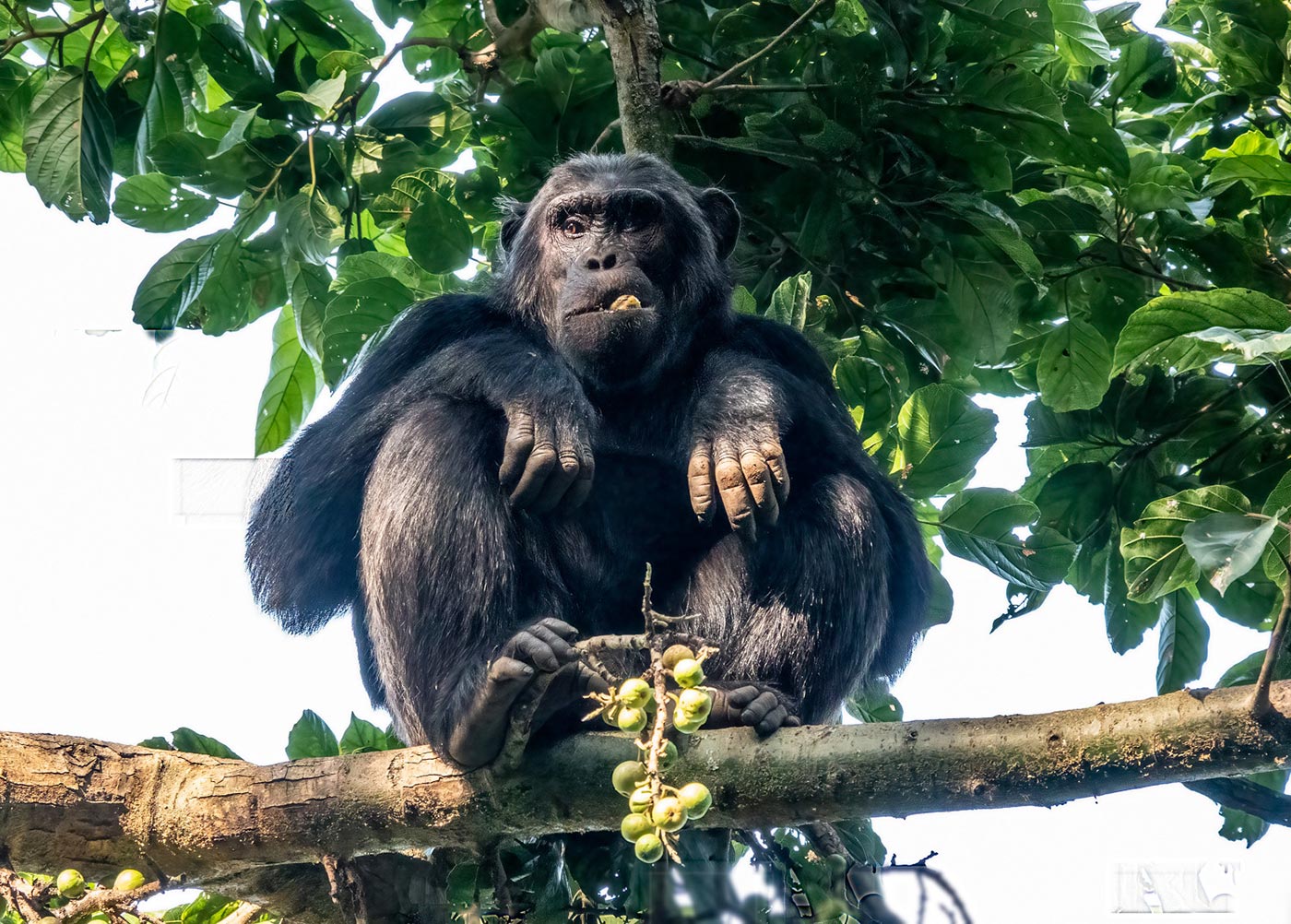
Rwanda doesn’t stop there. Nyungwe Forest in the south is ancient , one of Africa’s oldest montane rainforests , alive with chimpanzees, colobus monkeys, and over 300 bird species. In the east, Akagera National Park tells a story of remarkable recovery , lions, elephants, rhinos, and giraffes now roam a landscape that was once empty of large wildlife, brought back through one of Africa’s most ambitious rewilding efforts.
And woven through all of it is a country that has consciously chosen how it wants to grow. Tourism here flows back into conservation, into communities, into the land itself. Kigali, the capital, is orderly, walkable and warm , a city that surprises almost every first-time visitor.
Rwanda is not the easiest place to explain before you go. It’s much simpler after. At Kori Safaris, we’ll take you there , gorilla forests, open savannah, misty ridgelines and all , crafted entirely around you.
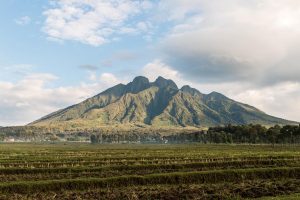
The park currently has 8 gorilla groups and 64 permits available per day. The number of permits can change without notice if the gorillas go across the border. PNV’s seven habituated gorilla families are Susa, Sabinyo, Amahoro, Umubano, Karisimbi, Kwitonda, Agashya and Hirwa. Most groups are half-day walks but Susa can take 5-7 hours. You can also climb a volcano, visit the remains of Dian Fossey’s grave and the graves of the gorillas which she studied, and see the endangered golden monkey. Clients stay at Volcanoes Virunga Safari Lodge. The lodge is in Rwanda and faces the Virunga Mountains but is not in the mountains and it should not be confused with Virunga National Parc in DRC.
Rwanda Gorilla Families Susa Group (Susa A): This was the largest gorilla family and was famously studied by Dian Fossey. It was known for having many members, including several silverbacks. Susa A is one of the most challenging groups to trek, given their size and the terrain they inhabit.
Sabyinyo Group: Named after the Sabyinyo Volcano, this family is known for its close proximity to the park headquarters, making it accessible. It’s a relatively small group with one silverback.
Amahoro Group: “Amahoro” means “peaceful” in Kinyarwanda, and this group is aptly named. It’s known for its peaceful interactions and calm demeanor. Amahoro has several members, including a few silverbacks.
Kwitonda Group: Originally from the Democratic Republic of Congo, this family is now based in Rwanda. Kwitonda, which means “humble one,” is known for its calm and gentle nature.
Umubano Group: This group was originally part of the Amahoro family but split off to form its own group. “Umubano” means “neighborliness,” reflecting the peaceful separation. It’s smaller in size and includes a silverback.
Agashya Group (formerly known as Group 13): Named after its dominant silverback, Agashya, this family was originally comprised of 13 members, but its size has grown over time. Agashya is known for his protective nature.
Hirwa Group: Hirwa, meaning “lucky one,” is one of the more recent groups, formed by members from different families. It’s known for its interesting dynamics and unique composition.
Karisimbi Group: This group is named after the Karisimbi Volcano and is known for its high-altitude habitat. It’s often challenging to trek due to the steep terrain.
Please note that the composition of gorilla families can change over time due to births, deaths, and group dynamics.
2. Boat Safaris
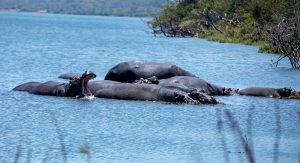
Explore the serene lakes, rivers, and wetlands to observe a variety of wildlife.
3. Hiking and Trekking
Rwanda’s landscape is perfect for hiking and trekking enthusiasts. Climb to the summits of the Virunga Mountains or embark on a scenic hike in Nyungwe Forest.
4. Visit Kigali
Explore Rwanda’s capital city, Kigali. You can learn about Rwanda’s history and enjoy local food.
5. Tracking the Golden Monkey
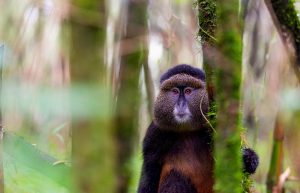
An Elusive Treasure in the Virunga Mountains This little known monkey is one of the most endangered primates in Africa and it is now thought that the only viable population of these monkeys is in the Virunga Volcanoes. A smaller population may exist in the Nyungwe Forest in Southern Rwanda but this has yet to be verified. The golden monkey is a distinct species of guenon – Cercopithecus Kandti and is endemic to the Albertine Rift.
Two groups are being habituated for visitors in the Virungas. The Kabatwa group is found in the east of the park, on the flanks of the Sabinyo volcano and has about 40 in the group and can be viewed already. The Musongo Group lives higher up on the flanks of the Karisimbi volcano at an altitude of about 2800-3000 meters and has about 100 individuals. This will be open to visitors shortly.
Seeing the Golden Monkey makes a fantastic short excursion into the misty Virunga forest and it is a great addition to the activities clients can do in the magical afro-montane forest. As with the gorillas, only one hour is allowed with the Golden Monkeys and six visitors are allowed per visit. There is one visit a day, which starts at 7.30am from the park office at Kinigi.
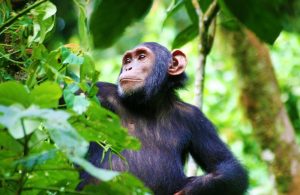
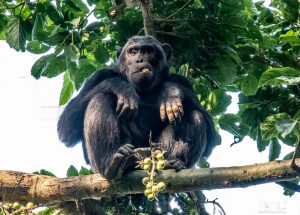
Chimpanzees, along with 12 other species of primates, can be found in the massive afro-montane forest of Nyungwe in southern Rwanda, the largest montane forest in Central Africa. You can follow the chimps as they swing through the trees.
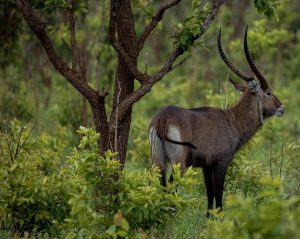
Akagera National Park is the go-to destination for game drives. Take an African wildlife safari and see lions, elephants, giraffes, zebras, and more. Early morning and late afternoon drives are typically the best times for wildlife viewing.
8. Birding Tours
If you like birds, Rwanda has many beautiful birds to see.
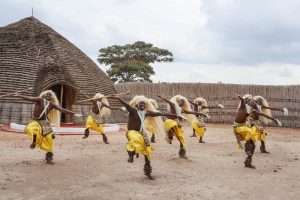
Engage with the local communities, visit villages, and learn about traditional Rwandan culture. The Intore Dance troupe have been a popular addition to the activities at the Virunga lodge since their support has been developed by the VSPT fund. Intore dancing is a traditional victory dance in Rwanda and has become known, in no small part thanks to their time as a Belgian colony, as Rwandan Ballet. This national cultural dance is energetic and exciting, invigorating to watch as the sun sets with the silhouettes of the ancient Virunga volcanoes on the horizon. The dance originated when warriors returned from battle victoriously and often saw many tribes dancing together, making it not only diverse and individual but also a great symbol for the unity of the once fragmented country of Rwanda.
10. Enjoy Lake Kivu
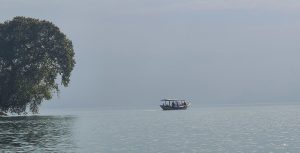
Have a relaxing time by the picturesque Lake Kivu. You can go boating or kayaking and enjoy the beautiful sunsets.
11. See and learn History
Visit the Kigali Genocide Memorial to learn about Rwanda’s past.
12. Shop and Explore
Go shopping at local markets and enjoy the vibrant culture of Rwanda.
Yes, safaris in Rwanda are generally safe when guided by experienced tour operators. Follow your guide’s instructions to ensure a safe and enjoyable experience.
Check that your passport is valid for at least six months beyond your planned departure date. You’ll need a visa to enter Rwanda, so make sure to arrange this in advance.
If you’re planning to trek gorillas or chimpanzees, you need to get a permit. These often sell out, so book them well ahead of time with a registered Tour Operator.
You can book a safari or tour through reputable travel agencies or online booking platforms. Make sure to read reviews and compare prices before booking.
Travel guidelines related to COVID-19 can change, so it’s crucial to check the latest requirements, including testing and quarantine regulations, before your trip.