
Every year, without pause, close to two million animals move across East Africa in search of rain and fresh grass. It is the largest overland migration left on Earth, and for many travellers, seeing it in person is the reason they book a safari in the first place. But the Great Migration is also one of the most misunderstood safari experiences , people arrive expecting a single dramatic river crossing on cue, when in reality it’s a year-round, ever-shifting phenomenon spread across two countries.
This guide breaks down what the migration actually is, how it moves through the year, where it’s best experienced in Tanzania and Kenya, what a migration safari genuinely involves day to day, and how to plan around it properly , whether that’s your first safari or your fifth.
What Is the Great Migration?
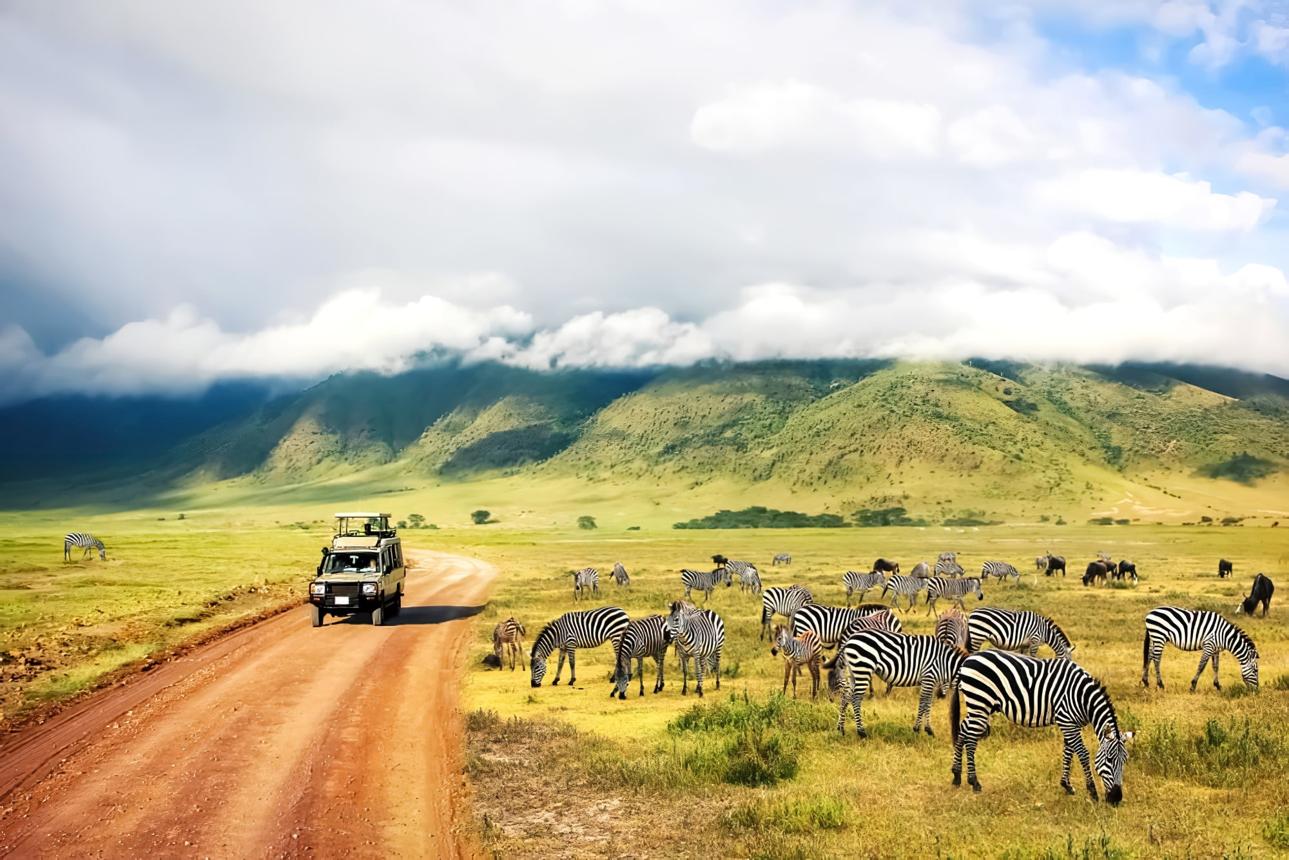
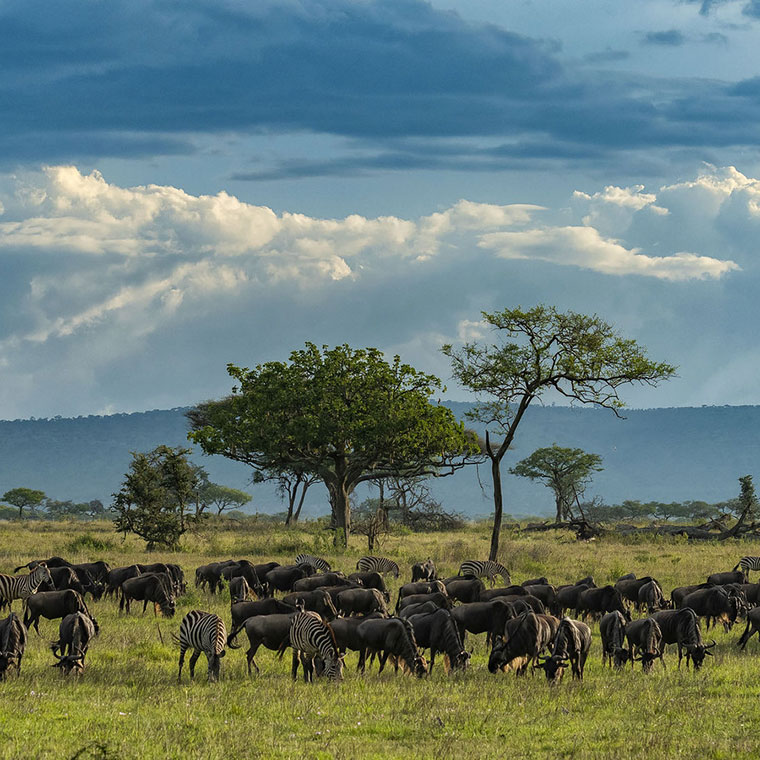
The Great Migration is the continuous, circular movement of roughly 1.2 to 1.5 million wildebeest, alongside several hundred thousand zebra and gazelle, across the Serengeti-Mara ecosystem that straddles northern Tanzania and southern Kenya. It isn’t a single event , it’s a year-round cycle driven entirely by rainfall and grazing.
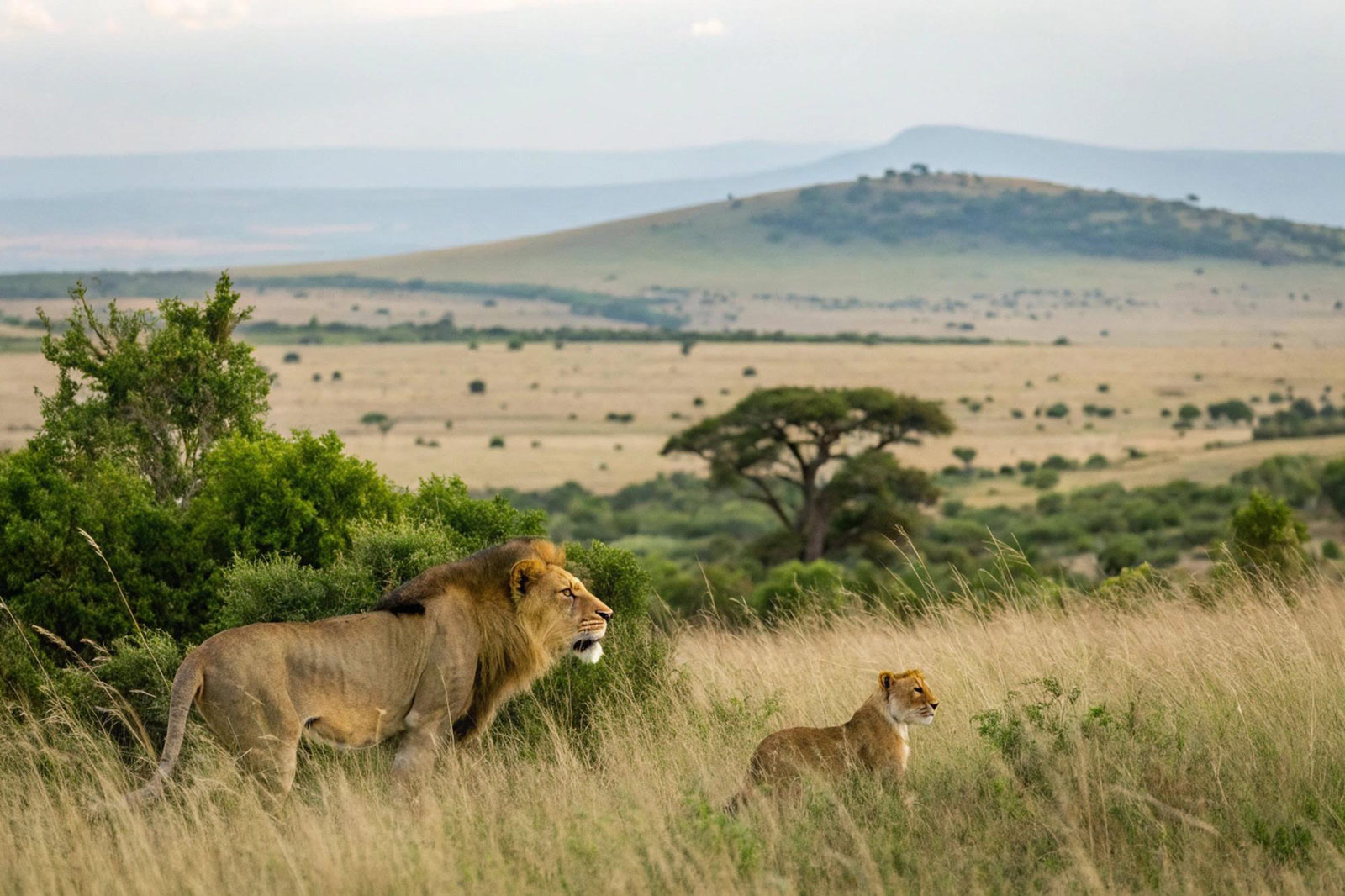
Wildebeest instinctively follow the rain, moving toward wherever fresh grass has just sprung up and away from areas that have been grazed down. This constant motion means predators , lion, leopard, cheetah, hyena, and crocodile at the river crossings , follow the herds too, making migration season some of the most reliable predator viewing anywhere in Africa.
Because the cycle never actually stops, there’s no single “migration season” , there’s a migration happening somewhere in the ecosystem every single day of the year. What changes is where.
The Migration Year, Season by Season
| Period | What’s Happening |
|---|---|
| January – March | Calving season in the southern Serengeti (Ndutu area). Around 8,000 calves are born daily during the peak weeks , and predator activity follows closely behind. |
| April – May | The “green season.” Herds begin moving north and west; landscapes are lush, crowds are thinner, and rates are lower. |
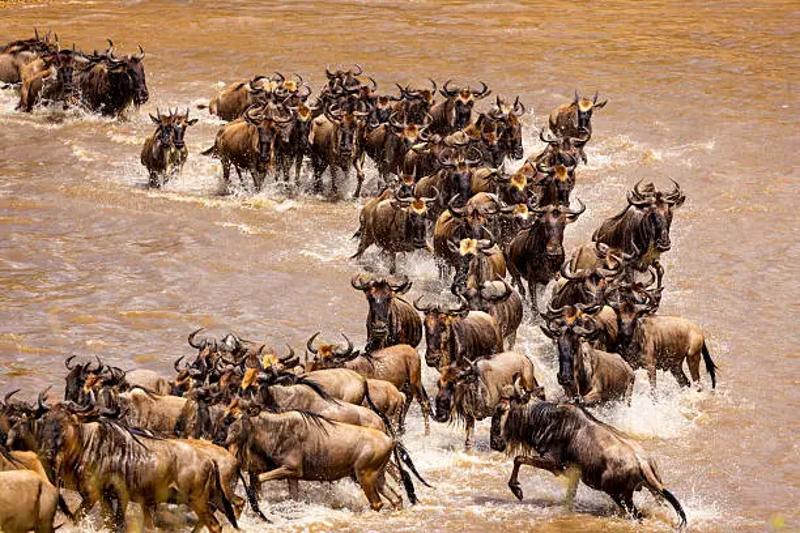
| June – July | Movement through the Western Corridor, often including a Grumeti River crossing. |
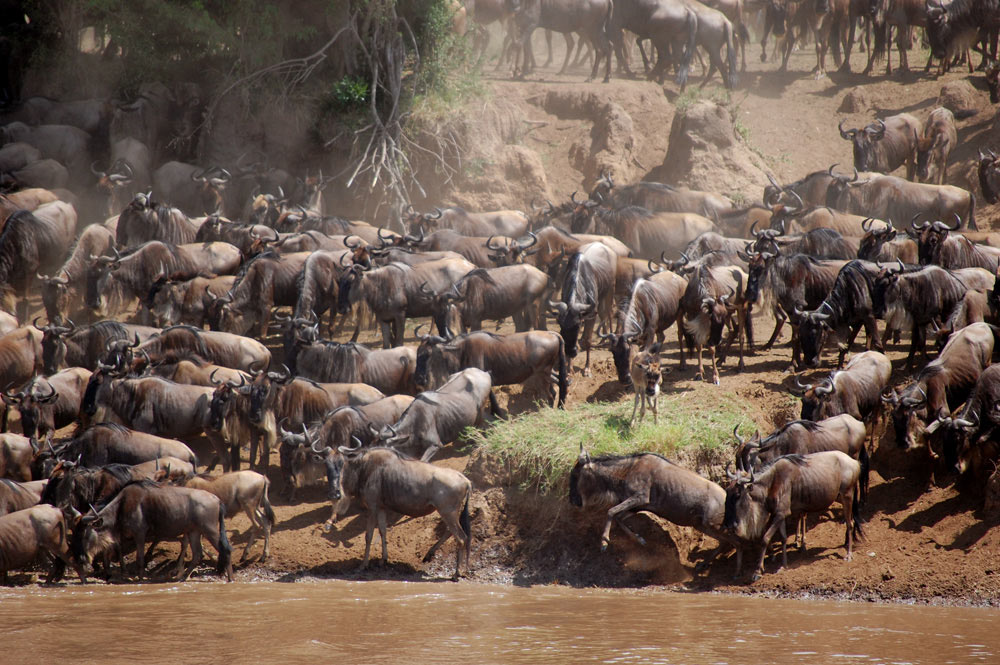
| July – October | Herds push into the northern Serengeti and across into Kenya’s Maasai Mara , this is when the famous, dramatic Mara River crossings happen. |
| November – December | Short rains trigger the journey back south toward the Serengeti, closing the loop. |
One thing worth being upfront about: there is no guaranteed “crossing date.” Rainfall, grass conditions, and the herds’ own unpredictability decide exactly where and when they move , not a calendar.
Tanzania: The Heart of the Migration
The Serengeti ecosystem is where the migration actually lives for most of the year, which is why Tanzania offers the widest range of migration experiences across every season , from calving in the south to river crossings in the north.
- Southern Serengeti / Ndutu , the place to be for calving season and newborn wildlife
- Central Serengeti , reliably good wildlife viewing year-round, migration or not
- Western Corridor (Grumeti) , mid-year river crossings, fewer crowds than the north
- Northern Serengeti , the big one, for Mara River crossing season (July–October)
Kenya: The Maasai Mara Experience
The Maasai Mara is the northern extension of the same ecosystem, and it’s where the migration’s most photographed moments happen: wildebeest plunging down steep banks into the Mara River, crocodiles waiting below.
The herds generally arrive in the Mara around July and stay through October, before short rains pull them back south into Tanzania. The distinction between the Maasai Mara National Reserve and the private conservancies surrounding it matters , conservancies typically mean fewer vehicles, off-road driving, and night drives, at a premium price.
Even outside peak crossing months, September and October remain excellent , resident wildlife, big cats, and leftover herds still make for a strong safari, just with less predictable drama at the river.
Tanzania vs Kenya: Which Should You Choose?
| Tanzania | Kenya |
|---|---|
| Serengeti is the core migration ecosystem | Maasai Mara is the northern extension |
| Good migration viewing across most seasons | Famous specifically for Mara River crossings |
| Southern Serengeti excellent for calving | Excellent dry-season wildlife concentration |
| Larger ecosystem, more ground to cover | Smaller, more concentrated Mara experience |
| Pairs naturally with Ngorongoro Crater and Zanzibar | Pairs naturally with Amboseli and Samburu |
| Better suited to longer itineraries | Better suited to shorter trips |
Tanzania also gives you the option to close a migration safari with a few days on the beach , Serengeti, Ngorongoro, and Zanzibar combine into one of the most complete safari-plus-beach trips available anywhere in Africa.
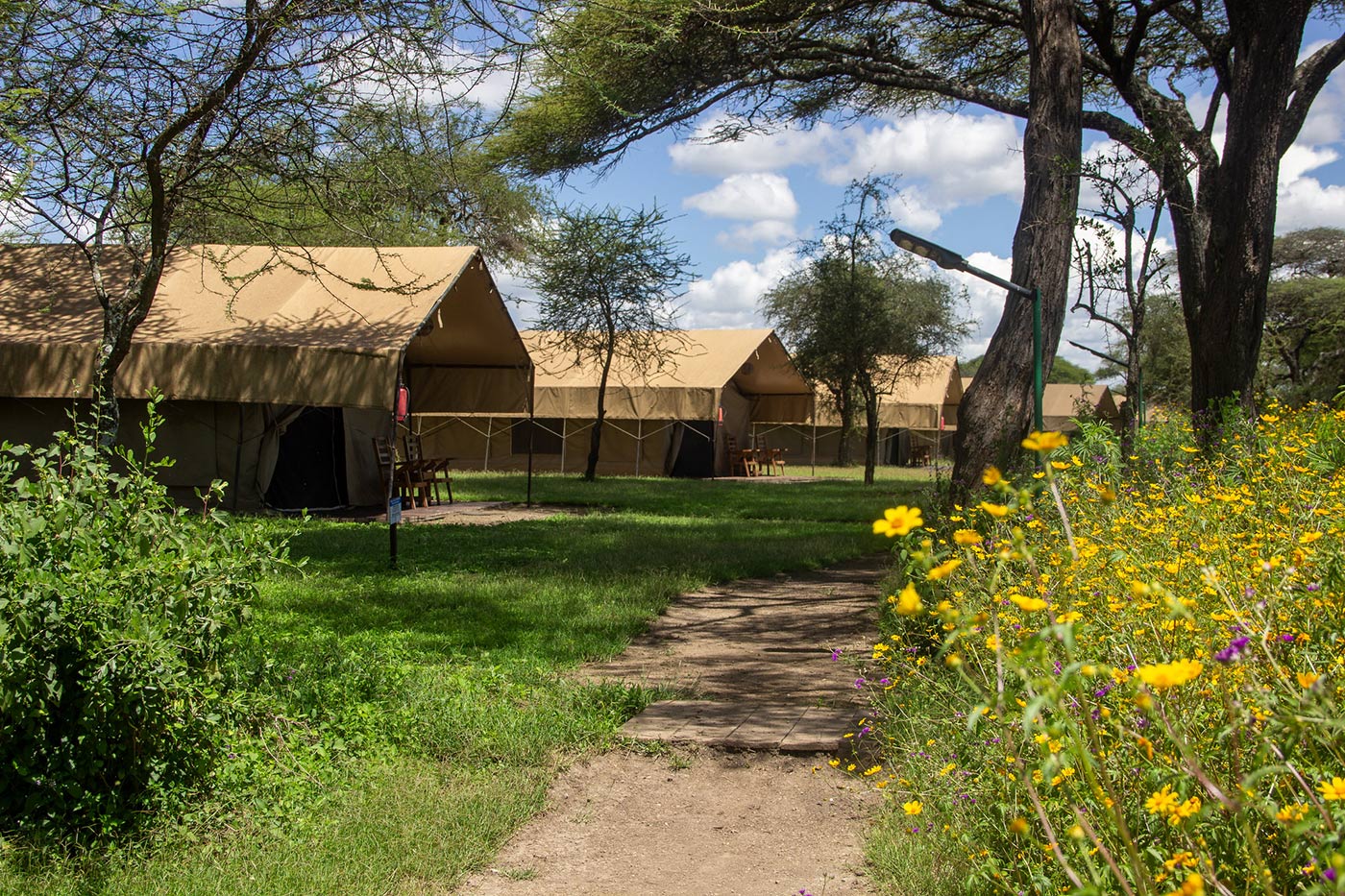
Mobile Camps: Following the Herds
Because the migration moves, accommodation matters more here than on a typical safari. Permanent lodges are excellent but fixed in place , mobile camps, by contrast, physically relocate a few times a year to stay close to wherever the herds currently are. During peak crossing season, a well-positioned mobile camp can mean the difference between a 20-minute drive to the river and a two-hour one.
What a Great Migration Safari Actually Involves
It’s worth setting realistic expectations before you go:
- Early starts , often before sunrise, to reach viewing areas before the heat
- Long days in the vehicle, sometimes with a packed lunch at a scenic spot
- Waiting , sometimes for hours , for a crossing that may or may not happen that day
- Dust, heat, and sun exposure, particularly June through October
- Other vehicles at the most famous crossing points during peak season
- No guaranteed river crossing on any single day, at any time of year
- Excellent wildlife viewing even on days without a crossing , lion, elephant, giraffe, and resident game are constant
- Optional add-ons like hot air balloon safaris at sunrise, where available
The single most important thing to communicate to a first-time migration traveller: you are not booking a guaranteed spectacle. You’re booking access to one of the best wildlife destinations on the planet, during the season most likely to show you something extraordinary.
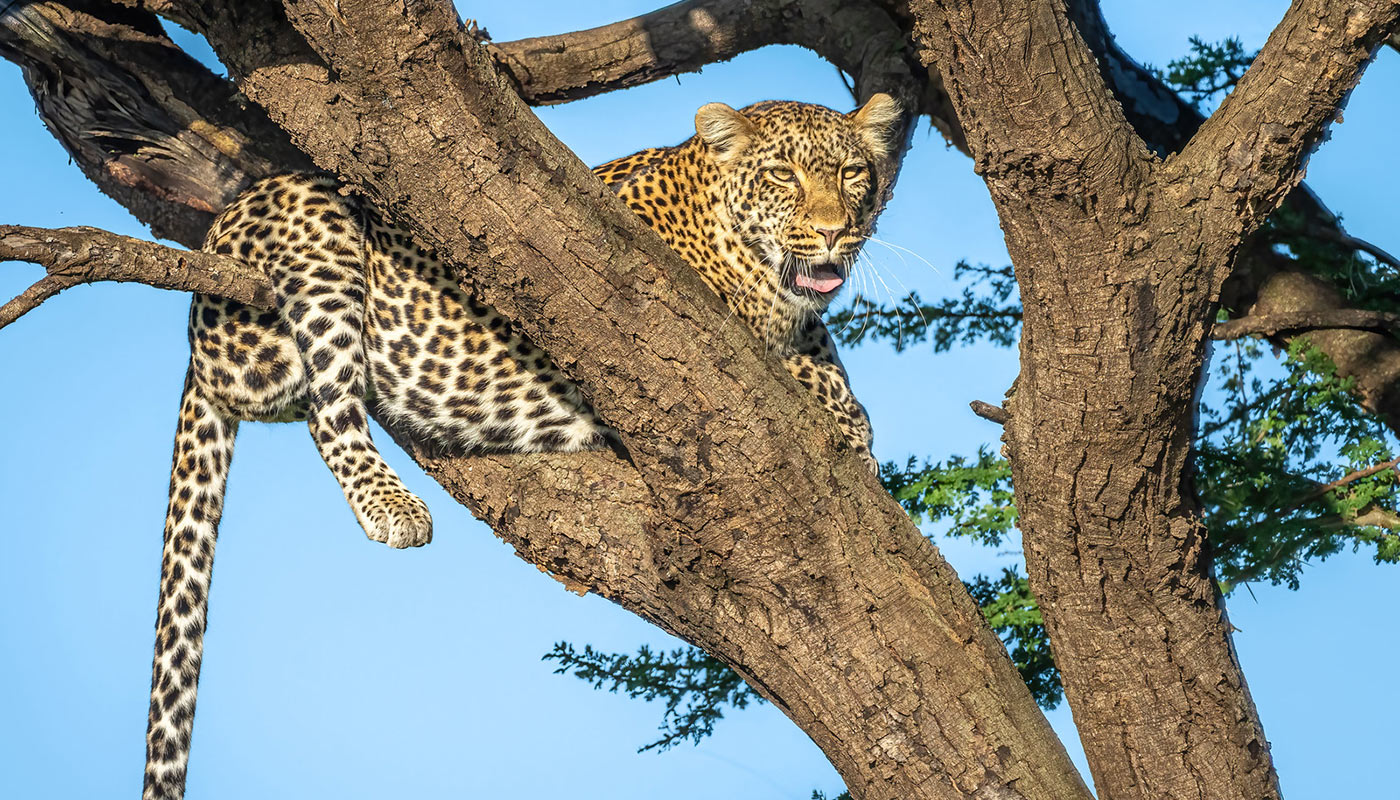
Photography Tips for the Migration
If photography is a priority, a few things make a real difference:
- Bring reach. A 300mm+ lens (or a superzoom bridge camera if you’re not carrying DSLR gear) covers most safari situations; crossings especially reward longer glass.
- Shoot early and late. The golden hours around sunrise and sunset give the best light and are also when animals are most active.
- A beanbag beats a tripod. Vehicles rarely have room for a full tripod , a beanbag resting on the window frame or roof hatch stabilises shots far more practically.
- Pack dust protection. A simple rain cover or dry bag for cameras is worth it on Serengeti’s dirt roads, especially in the dry season.
- Bring spare batteries and memory cards. Charging opportunities in remote camps can be limited, and crossing days mean a lot of shooting.
What to Pack and What to Expect
Weather varies more than people expect. Mornings and evenings can be genuinely cold, even though midday temperatures climb quickly:
- Layers , a warm fleece or jacket for early morning game drives, breathable clothing for midday
- Neutral colours (khaki, olive, brown) rather than bright colours or all-black/all-white
- A wide-brimmed hat, sunglasses, and high-SPF sunscreen
- Comfortable, closed shoes for walking around camps
- Binoculars , genuinely one of the most valuable items you can bring
- A basic first-aid kit and any personal medication, since pharmacies are far from most parks
Is the Migration Good for Families and First-Time Safari-Goers?
Yes, with a bit of planning. Long game drives can be tough on younger children, so shorter daily circuits, camps with family tents or interconnecting rooms, and a mix of game drives with lower-key activities (short walks, cultural visits, pool time back at camp) all help. Many camps have a minimum age for game drives or night drives, so it’s worth confirming this at the planning stage rather than after booking.
For first-time safari travellers generally, the migration season is a genuinely excellent starting point , the sheer density of wildlife means even a first game drive tends to deliver far more than people expect.
Conservation Fees and Responsible Tourism
Park and conservation fees fund anti-poaching patrols, habitat protection, and , in areas bordering conservancies , direct payments to local Maasai landowners who’ve chosen conservation over grazing or development. These fees are built into safari pricing rather than paid separately by travellers in most cases, but it’s worth understanding what they support: without them, neither the wildlife nor the ecosystem would exist in its current form for much longer.
Choosing conservancy stays, respecting off-road driving rules, and keeping a respectful distance from crossing points (rather than crowding the riverbank) all make a genuine difference to how sustainable this experience remains for the next generation of travellers.
Combining Kenya and Tanzania: Border Logistics
For travellers wanting to see both the Serengeti and the Maasai Mara in one trip, there are two main routes: flying between Nairobi/the Mara and Arusha/the Serengeti via light aircraft, or crossing overland via the Isebania or Namanga border posts. Flying is faster and far more common for migration itineraries, since road transfers between the two ecosystems can take the better part of a day. Either way, you’ll need a visa valid for both countries (East Africa’s tourist visa covers Kenya, Uganda, and Rwanda, while Tanzania is issued separately), so this is worth confirming well before departure.
When Should You Go?
Want to see newborn wildebeest and intense predator action?
Aim for January–March in the southern Serengeti.
Want the classic river-crossing experience?
Aim for July–October in the northern Serengeti or Maasai Mara , and go in with realistic expectations about timing.
Want lower rates, fewer vehicles, and lush green scenery?
Consider April–May, accepting a higher chance of rain.
Want to add a beach finish?
Build a Tanzania-based itinerary and close it out in Zanzibar.
Sample Itineraries
Classic Tanzania Migration Safari , 7 Days
Arusha → Ngorongoro Crater → Central Serengeti → Northern Serengeti → Arusha
Tanzania + Zanzibar , 10–12 Days
Arusha → Tarangire → Ngorongoro Crater → Serengeti → Zanzibar
Kenya + Tanzania Migration Combo , 10–14 Days
Nairobi → Maasai Mara → Serengeti → Ngorongoro Crater → Arusha
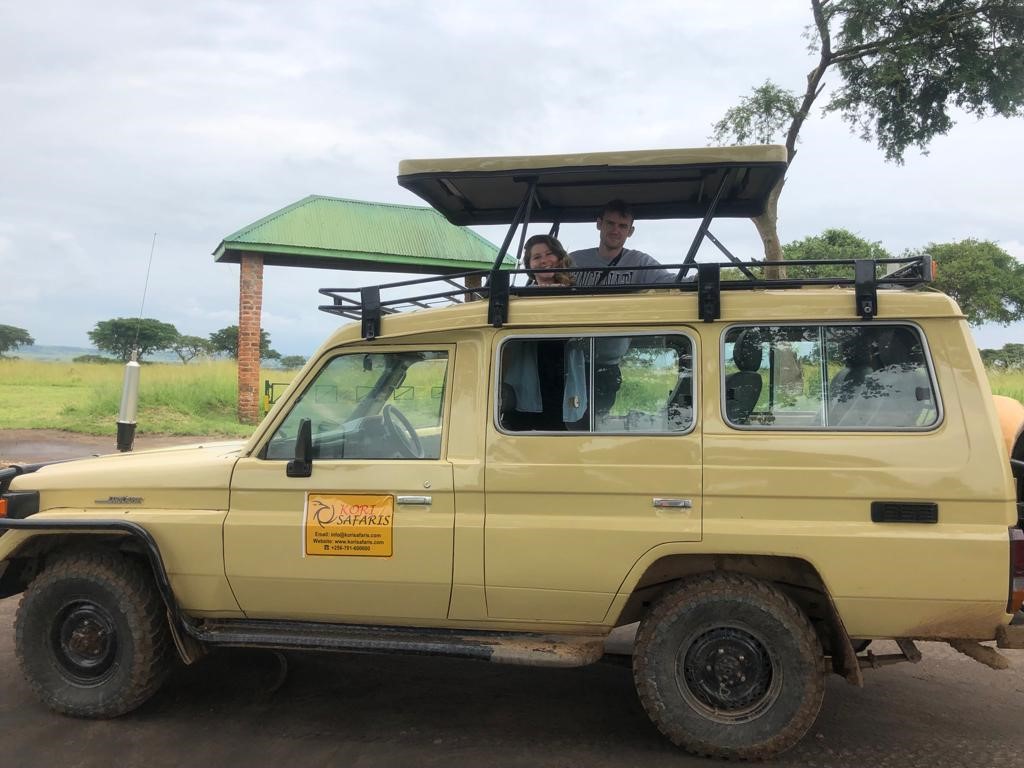
Why Plan Your Great Migration Safari With Kori Safaris
Timing the migration well takes more than a calendar , it takes current, on-the-ground knowledge of where the herds actually are, which shifts year to year. That’s where we come in:
- Real-time knowledge of seasonal herd movement, not just general date ranges
- Matching the right park, camp, and region to your travel dates
- Choosing between private vehicles, mobile camps, and permanent lodges based on your priorities
- Handling flights, transfers, park fees, and border logistics for combined Kenya-Tanzania trips
- Visa guidance and travel insurance advice
- Local guides with genuine ecosystem expertise, not just route knowledge
- Support before, during, and after your trip
Frequently Asked Questions
Can I guarantee seeing a river crossing?
No , and be wary of any operator who tells you otherwise. We can put you in the best possible position based on seasonal patterns, but the migration is wild and genuinely unpredictable. That unpredictability is part of what makes it real.
How many days do I need?
Five to seven days gives you a proper migration safari without feeling rushed; ten to fourteen allows you to combine Tanzania and Kenya, or add a beach extension.
Is the migration the same every year?
The general seasonal pattern holds, but exact timing shifts with rainfall , some years the herds arrive in the Mara in June, other years not until August.
Do I need a visa for both Kenya and Tanzania?
If you’re combining both countries, yes , they’re issued separately, so plan for both well ahead of travel.
The Great Migration is wild, unscripted, and genuinely unpredictable , and that’s exactly what makes it worth seeing. We can’t promise you a crossing on a particular afternoon, but we can put you in the right place, at the right time of year, with the right guide, to give you the best possible chance. Get in touch and let’s start planning, or browse all our East Africa destinations first.