
Few places in Africa spark the imagination like the Serengeti.
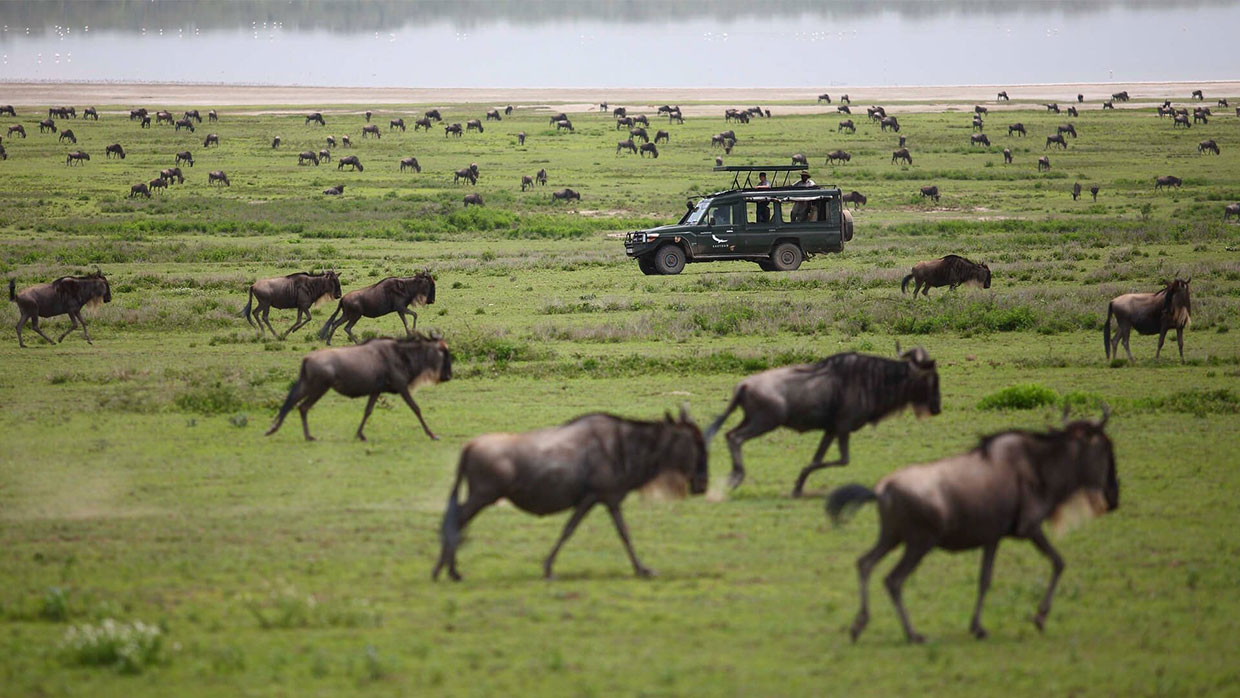
Picture thousands of wildebeest moving across open grasslands. Lions rest in the shade of acacia trees, and elephants stroll slowly through the wilderness.
For generations, these scenes have drawn travellers, photographers, researchers and nature lovers from around the world.
In 2026, Serengeti National Park celebrated 75 years since its establishment in 1951. To mark the occasion, Tanzania opened a modern visitor information centre at Seronera. It brings a new conservation and learning experience to one of Africa’s most famous wildlife destinations.
The centre was officially inaugurated on 7 October 2026. It cost about €1.3 million (TSh3.9 billion). Tanzania, Germany, the Tanzania National Parks Authority (TANAPA) and the Frankfurt Zoological Society worked together to build it. Source: The Citizen.
So why does the Serengeti still attract so much attention after 75 years? And what should you know before you plan a visit?
For Kori Safaris, this anniversary is a chance to look beyond the famous wildlife photos. It lets us explore the history, conservation work and experiences that make the Serengeti special.
A National Park with a Remarkable History
Serengeti National Park was established in 1951. It has since become one of the world’s best-known wildlife conservation areas. It is also Tanzania’s first national park.
Its name comes from the Maasai word Siringet. People often translate it as “the place where the land runs on forever.”
That description fits the landscape perfectly.
The Serengeti covers vast grasslands, woodlands, rivers and seasonal wetlands. Its ecosystem supports large populations of wildlife. These include lions, leopards, cheetahs, elephants, giraffes, buffaloes and countless other species.
Even so, its greatest natural spectacle is arguably the Great Migration.
Each year, huge herds of wildebeest and zebras move through the Serengeti ecosystem. They search for fresh grass and water, and rainfall and seasonal conditions shape their journey.
This movement is one of the most remarkable wildlife events on Earth.
The park’s history is also closely tied to conservation in Tanzania. International partnerships have helped protect its wildlife and natural habitats. In 1966, for example, the Serengeti Research Institute opened at Seronera to study the Great Migration.
A New Visitor Centre Gives Travellers More Than a Game Drive
One highlight of the 75th anniversary was the opening of the upgraded Serengeti Visitor Centre at Seronera.
This is not a typical tourist rest stop. Instead, the centre is a place where visitors can learn about the park’s history, wildlife, research and conservation work.
According to The Citizen, the centre includes:
- A Conservation Hall
- A History and Migration Hall
- The Watu Pavilion
- A Migration Walkway
The building also has eco-friendly features. These include rainwater harvesting and ways to cut carbon emissions.
For travellers, this means a chance to understand the Serengeti beyond the animals you see on game drives.
You can learn how wildlife, plants, water and climate connect. You can also learn about the people who depend on the wider ecosystem.
It is also a reminder that protecting the Serengeti takes teamwork. Governments, conservation groups, tourism businesses and nearby communities all play a part.
Why Conservation Matters to Your Safari Experience
Wildlife tourism depends on healthy natural places.
The animals that visitors travel thousands of kilometres to see need the right habitat. They also need water, enough food and protection from threats such as poaching and habitat loss.
The Serengeti’s conservation story shows how long-term protection can make a real difference.
During the anniversary celebrations, TANAPA officials highlighted the recovery of black rhinos in the Serengeti. According to reported figures, the population stood at just three animals in 1990. It has since grown to about 50.
This is an encouraging conservation success.
For visitors, it adds another layer to the safari. A game drive means more when you understand the work that protects the animals and their home.
Tourism plays an important role too.
Responsible visitors support the conservation economy. They do this through park fees, accommodation, guided activities and spending with local businesses.
You can help by choosing responsible safari operators and following park rules. That way, tourism does good in the places people visit.
What Can You Experience During a Serengeti Safari?
The Serengeti offers a wide range of wildlife experiences. Here are four to look out for.
1. Witness the Great Migration
The Great Migration is one of the biggest reasons people visit Tanzania.
Huge herds of wildebeest, along with zebras and gazelles, cross the Serengeti ecosystem each year in search of fresh grazing.
The herds do not stay in one place. Their location changes throughout the year.
Depending on seasonal rainfall, you may see calving in the southern Serengeti. You may also see herds moving through central areas or dramatic river crossings in the north.
River crossings are spectacular, but they are unpredictable. Never treat them as guaranteed.
2. Search for Africa’s Big Cats
The Serengeti is an excellent place to look for lions, leopards and cheetahs.
Game drives let you watch these animals in their natural habitat.
Early morning and late afternoon drives can be especially rewarding. Many predators are more active in the cooler hours.
3. Discover the Smaller Details of the Ecosystem
The Serengeti is about more than famous predators and large herds.
Birds, insects, smaller mammals and plants all help keep the ecosystem healthy.
With a knowledgeable guide, you can spot details you might otherwise miss.
4. Learn About Conservation
A visit to the new Seronera Visitor Centre can add learning value to your safari.
It helps you understand why the Serengeti is protected, how wildlife research works and why conservation matters for future generations.
Before you go, confirm current access and any entry requirements with park authorities or your tour operator.
When Is the Best Time to Visit the Serengeti?
You can visit the Serengeti all year. However, the experience changes with the seasons.
| Period | What travellers may experience |
|---|---|
| January–March | Calving season in the southern Serengeti, depending on rainfall |
| April–May | Green landscapes and changing herd movements; some areas get heavier rain |
| June–July | Herd movements towards the western corridor and northern regions |
| August–October | Northern Serengeti wildlife activity and possible Mara River crossings |
| November–December | Herd movements towards the southern plains |
These are general seasonal patterns, not fixed dates. Rainfall can change how the herds move from year to year.
If your main goal is to see the migration, work with an operator who knows the ecosystem. They can suggest a route that suits your dates.
How Can You Combine the Serengeti with Other Tanzania Destinations?
A Serengeti visit fits well into a wider northern Tanzania safari. Consider adding:
- Ngorongoro Conservation Area: Explore the crater and its remarkable wildlife.
- Tarangire National Park: Discover elephants, baobab trees and beautiful landscapes.
- Lake Manyara National Park: Enjoy birdwatching, forest scenery and wildlife encounters.
- Zanzibar: End your safari with a relaxing beach stay, turquoise waters and a visit to historic Stone Town.
The best mix depends on how much time you have and which experiences matter most to you.
For many travellers, a 7–10-day northern Tanzania itinerary is a good starting point. Longer trips, though, give you more time to explore.
What Should You Know Before Booking a Serengeti Safari?
Before you travel, keep these points in mind:
- Book accommodation early, especially during popular migration periods.
- Choose your safari dates to match the wildlife experiences you want.
- Check park fees and any conservation charges.
- Confirm where your accommodation is in relation to the areas you want to explore.
- Allow enough time for road transfers between parks.
- Consider travel insurance and pack clothing for changing weather.
- Follow wildlife-viewing rules and your guide’s instructions.
Most importantly, do not choose an itinerary just because it promises guaranteed wildlife sightings. Nature does not run on a fixed schedule.
Kori Safaris Perspective: The Serengeti Is More Than a Wildlife Destination
At Kori Safaris, we believe the Serengeti’s 75th anniversary reminds us why Africa’s natural heritage deserves to be explored and protected.
A Serengeti visit is not only about photographing a lion or watching wildebeest cross a river.
It is about understanding one of the world’s great ecosystems. It is about seeing how wildlife and nature connect, and valuing the conservation work that makes these experiences possible.
For travellers, the new visitor centre gives one more reason to slow down and learn about the destination.
We also encourage you to look beyond a single national park. Combining the Serengeti with Ngorongoro, Tarangire or Zanzibar can make your Tanzania holiday richer.
If you have more time, you can also pair Tanzania with Kenya or Uganda for a wider East African journey.
Celebrate 75 Years of the Serengeti by Experiencing It Responsibly
Seventy-five years after its founding, Serengeti National Park is still one of Africa’s most extraordinary wildlife destinations.
Its open plains, remarkable migration, abundant wildlife and conservation history keep it a dream destination for travellers.
The new visitor centre is another step towards helping people understand what makes this ecosystem so special.
The best way to celebrate the Serengeti is not just to visit it. Experience it responsibly, and remember why it must be protected.
Ready to Discover the Serengeti?
Kori Safaris can help you plan a Tanzania safari that includes the Serengeti, Ngorongoro and other remarkable destinations.
Explore our Tanzania safari guide or visit Kori Safaris to begin planning.
Experience the wild. Discover the story. Travel with Kori Safaris.