
Imagine beginning your holiday in Uganda, walking through a rainforest in search of mountain gorillas. A few days later, you are watching elephants cross the savannah in Kenya. You continue to Tanzania for the drama of the Serengeti, then finish your journey beside the Indian Ocean.
Four countries, different landscapes, cultures combined into 0ne unforgettable African adventure. This is the promise of a multi-country East African safari.
For years, many international visitors have planned their holidays around a single destination. They fly into one country, visit its most famous national parks and return home. But East Africa has the potential to offer something much bigger: a connected journey in which neighbouring countries complement one another rather than compete for the same traveller.
And the region is increasingly talking about how to make that happen.
In 2026, Uganda and Tanzania strengthened tourism-sector partnerships through a joint roadshow and agreements between tourism associations. Uganda and Kenya have also been preparing for their fifth Coast Tourism and Innovation Summit, scheduled for 26–27 October in Mombasa, to advance cooperation, innovation and smoother regional mobility.
These developments point to an important opportunity: East Africa can become more compelling to international visitors when its destinations are marketed and planned together.
For travellers, that could mean more choice, richer experiences and a holiday designed around the things they most want to see.
East Africa’s biggest advantage is its variety
One of the region’s greatest strengths is that its countries offer different experiences within the same broad geographical area.
Uganda: gorillas, primates and the Nile
Uganda is an excellent starting point for travellers who want close encounters with nature.
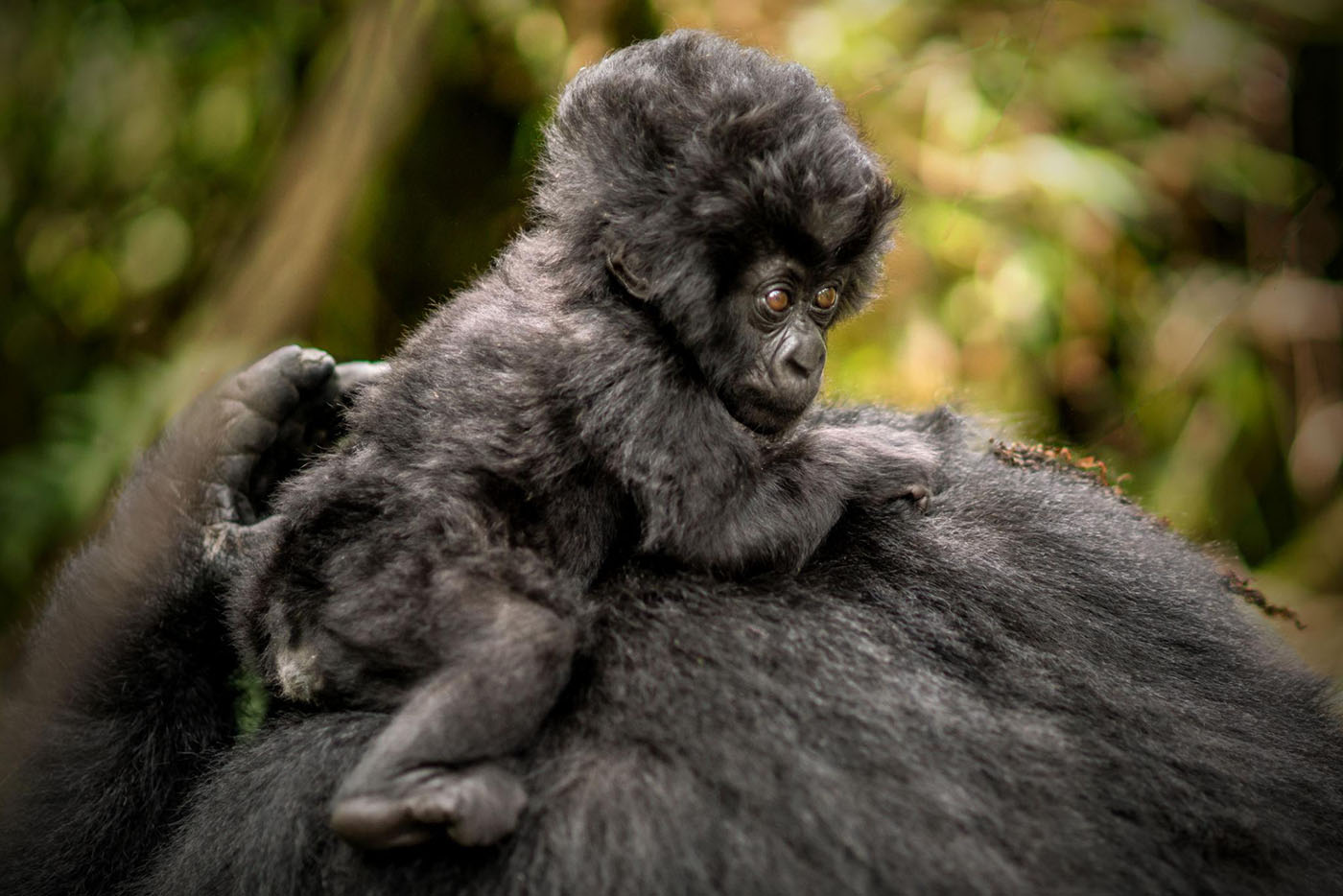
In Bwindi Impenetrable National Park, visitors can trek through dense forest to see endangered mountain gorillas. Kibale Forest offers chimpanzee tracking, while Queen Elizabeth National Park combines savannah wildlife with boat trips along the Kazinga Channel. Further north, Murchison Falls brings together wildlife viewing and the power of the Nile.
Uganda also offers birdwatching, cultural experiences, mountain scenery and opportunities to explore less-visited destinations such as Kidepo Valley National Park.
For a traveller who wants more than traditional game drives, Uganda can provide a rewarding beginning to a longer East African journey.
Kenya: classic African safari and the coast
Kenya is known for its wide-open landscapes, abundant wildlife and iconic safari experiences.
The Maasai Mara is famous for big cats and the seasonal Great Migration. Amboseli offers striking views of Mount Kilimanjaro, while destinations such as Samburu, Tsavo and Lake Nakuru provide different landscapes and wildlife experiences.
Kenya also has a beautiful coastal dimension. After several days on safari, visitors can head to Mombasa, Diani Beach or other coastal destinations to enjoy the Indian Ocean, Swahili culture and seaside relaxation.
This combination makes Kenya particularly attractive for travellers who want wildlife and a beach holiday within one trip.
Rwanda: gorillas, volcanic mountains and rainforest
Rwanda offers a compact and varied travel experience.
Volcanoes National Park is the country’s best-known destination for mountain gorilla trekking. Visitors can also explore Nyungwe National Park for rainforest adventures, chimpanzee tracking and the canopy walkway, or travel to Akagera National Park for savannah wildlife and boat excursions.
Lake Kivu provides another side of the country, with lakeside scenery and opportunities to relax between active excursions.
For travellers with limited time who want to combine primates, nature and culture, Rwanda can fit naturally into a wider regional itinerary.
Tanzania: vast wildlife plains and island escapes
Tanzania offers some of Africa’s best-known wildlife destinations.
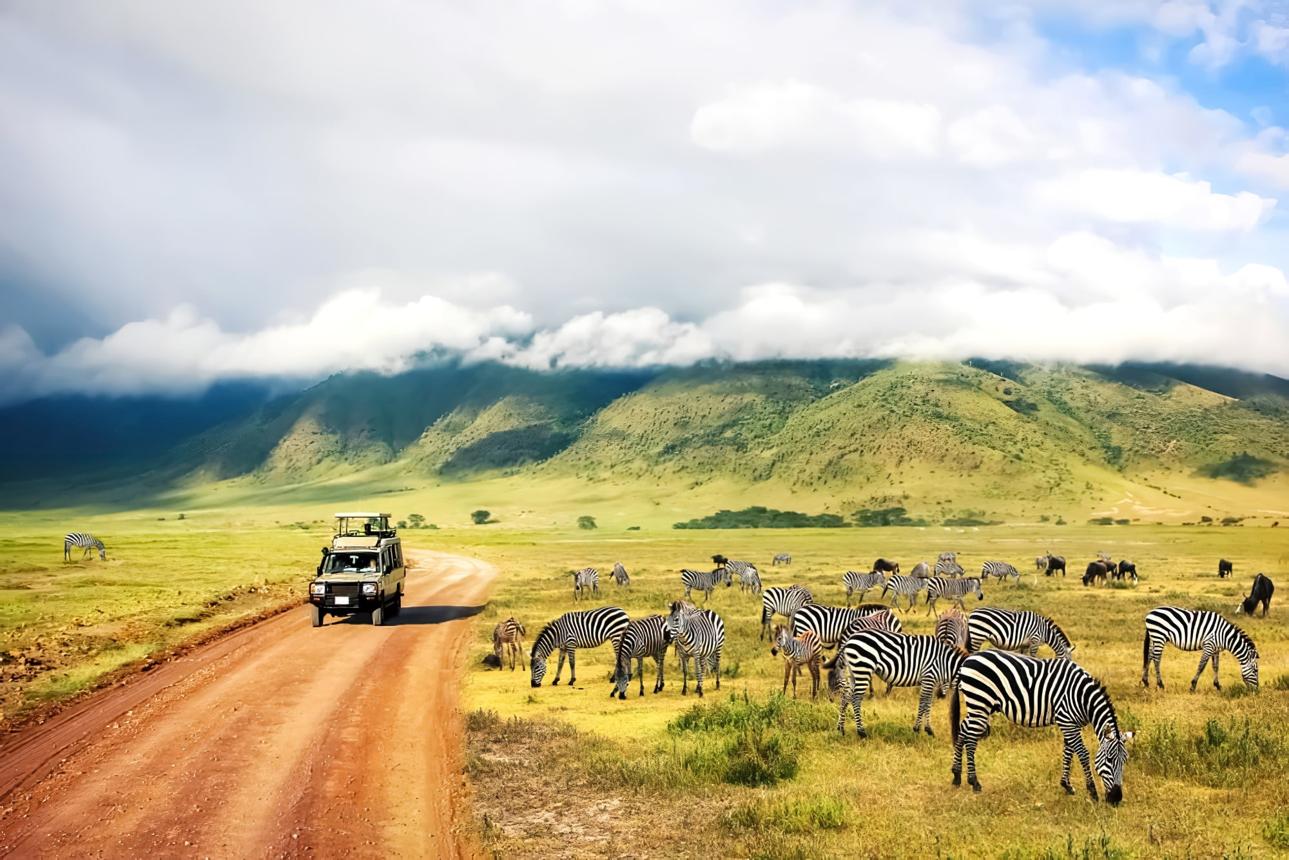
The Serengeti is famous for its wildlife and the Great Migration. Ngorongoro Crater offers spectacular scenery and concentrated wildlife viewing, while Tarangire is known for its elephants and baobab trees.
Travellers seeking quieter experiences can investigate southern parks such as Ruaha and Nyerere, subject to their preferred travel style and logistics.
Then there is Zanzibar, where historic Stone Town, turquoise waters and sandy beaches offer a different pace after days of game drives.
Together, these destinations make Tanzania an appealing choice for travellers who want a classic safari, an adventurous journey or a safari-and-beach holiday.
The growing movement towards one East African tourism experience
The idea of promoting East Africa as a connected destination is gaining practical support through tourism-sector partnerships, joint marketing and discussions about regional mobility.
In April 2026, a Uganda–Tanzania tourism roadshow brought together industry stakeholders to strengthen business relationships and explore joint destination marketing. Two memoranda of understanding involving the Uganda Tourism Association, Tanzania Association of Tour Operators and Zanzibar Association of Tour Operators were among the outcomes. The agreements cover cooperation in marketing, tourism product development, training and combined travel packages.
Uganda Broadcasting Corporation
Uganda and Rwanda also discussed stronger tourism cooperation at their Joint Permanent Commission in April, including potential collaboration in destination marketing, conservation tourism and cross-border tourism circuits.
Ministry of Tourism
Meanwhile, Uganda’s participation in the Africa Tourism Private Sector Alliance roadshow in Zanzibar in September 2026 reinforced the growing emphasis on intra-African travel and partnerships between tourism businesses.
Uganda Tourism Board
These initiatives matter because a traveller may be interested in more than one country, but turning that interest into a smooth holiday requires coordination.
Tour operators need to communicate. Transport connections must work. Travellers need accurate information about visas and border procedures. Accommodation providers and guides need to coordinate bookings. And itineraries must allow enough time to enjoy each destination.
Regional cooperation is not simply about putting four countries on one brochure. It is about making the journey between them practical, worthwhile and enjoyable.
What could a multi-country safari look like?
Option 1: Uganda and Rwanda , the primate adventure
Begin with mountain gorilla trekking in Bwindi Impenetrable National Park, then travel to Rwanda for the landscapes of Volcanoes National Park or the rainforest experiences of Nyungwe.
This route suits travellers whose priorities include primates, hiking, forests and cultural experiences.
Planning note: Both countries offer gorilla trekking, but permits are country- and park-specific. Check availability before confirming your route.
Option 2: Uganda and Kenya , forest, wildlife and coast
Experience Uganda’s gorillas or chimpanzees, then continue to Kenya for big-game viewing in the Maasai Mara or Amboseli. If time allows, finish with a relaxing stay on the Kenyan coast.
This route combines different wildlife habitats with the possibility of a beach holiday.
Option 3: Kenya and Tanzania , the classic savannah safari
Combine Kenya’s Maasai Mara with Tanzania’s Serengeti and, depending on your time and interests, Ngorongoro Crater.
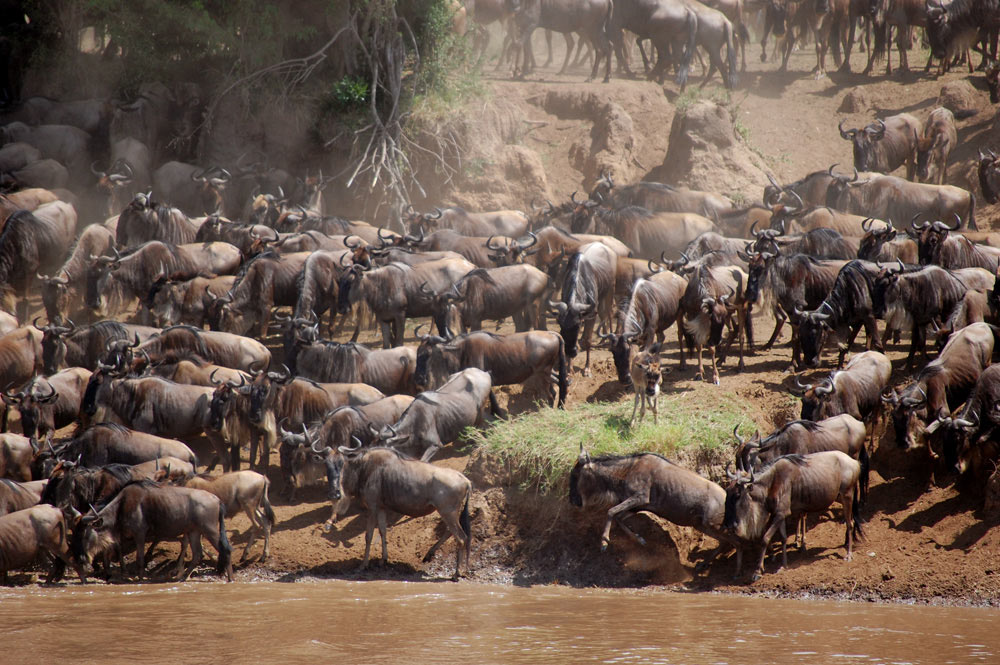
This is an attractive option for travellers interested in big cats, large herds and the Great Migration. The migration moves seasonally, so the itinerary should be designed around likely wildlife locations rather than assuming a river crossing is guaranteed.
Option 4: A longer East African journey
Travellers with more time could combine Uganda’s primates, Kenya’s savannah, Tanzania’s wildlife parks and a beach stay in Zanzibar.
This is best suited to a longer holiday with a realistic budget for flights, accommodation, park fees and transfers.
What travellers should know before booking across borders
A multi-country safari can be extraordinary, but it requires more coordination than a single-country holiday. Here are the essentials.
- Check visa and entry requirements for every country
Eligible international visitors can use the East African Tourist Visa to visit Uganda, Kenya and Rwanda. The official immigration guidance states that it costs US$100, allows multiple entries within those three countries for 90 days, and requires the issuing country to be the first point of entry. It does not cover Tanzania.
NCIC
If your itinerary includes Tanzania, confirm the applicable visa arrangements separately. Requirements can depend on your nationality, passport and travel circumstances.
Do not assume that one regional visa covers every East African country.
- Allow enough time for transport
Distances can be deceptive on a map. Some journeys are best done by road; others may be more comfortable by air.
When comparing itineraries, consider:
- Actual driving time, road conditions and border-crossing delays.
- Flight schedules, baggage allowances and transfers.
- The time needed to travel from an airport to your lodge.
- Whether you will lose valuable wildlife-viewing time moving between destinations.
A well-planned three-country itinerary is often more enjoyable than a rushed four-country itinerary.
- Plan around wildlife, not just dates
Wildlife is seasonal and unpredictable. If the Great Migration is your priority, your itinerary needs to account for the herds’ movements. If gorilla trekking is the main attraction, secure the relevant permit before confirming the rest of your trip.
Build the route around your most important experiences first, then add complementary destinations.
- Budget for the full trip
The total cost may include:
- Park fees and conservation charges in each country.
- Gorilla or chimpanzee permits where applicable.
- Accommodation and meals.
- Road transfers and regional flights.
- Visa fees and travel insurance.
- Guides, activities and optional excursions.
Ask for a clear breakdown of inclusions and exclusions before paying a deposit.
- Respect local communities and conservation rules
Responsible tourism should be central to every itinerary. Follow wildlife-viewing rules, respect local customs, use qualified guides and choose operators who work responsibly with the destinations and communities they visit.
Travelling across borders should deepen your appreciation of East Africa, not simply increase the number of places you can tick off a list.
The opportunity for East African tourism businesses
Cross-border tourism is not only a traveller benefit. It can also create opportunities for local businesses.
When tour operators cooperate, they can refer clients to trusted partners, develop more varied packages and reach markets that may be difficult to serve independently.
Hotels, guides, transport providers, restaurants, craft producers and community tourism projects can all benefit when visitors stay longer and explore more than one destination.
The challenge is to turn regional agreements into practical improvements: reliable connections, clear travel information, better digital tools, coordinated service standards and itineraries that genuinely work.
The Uganda–Kenya Coast Tourism and Innovation Summit scheduled for 26–27 October 2026 is one example of this effort, with organisers highlighting technology, youth innovation and easier movement as priorities.
MoFA
+1
For East Africa, collaboration can help shift the conversation from which country gets the visitor to how the region can offer a better overall experience.
Why this matters for Kori Safaris
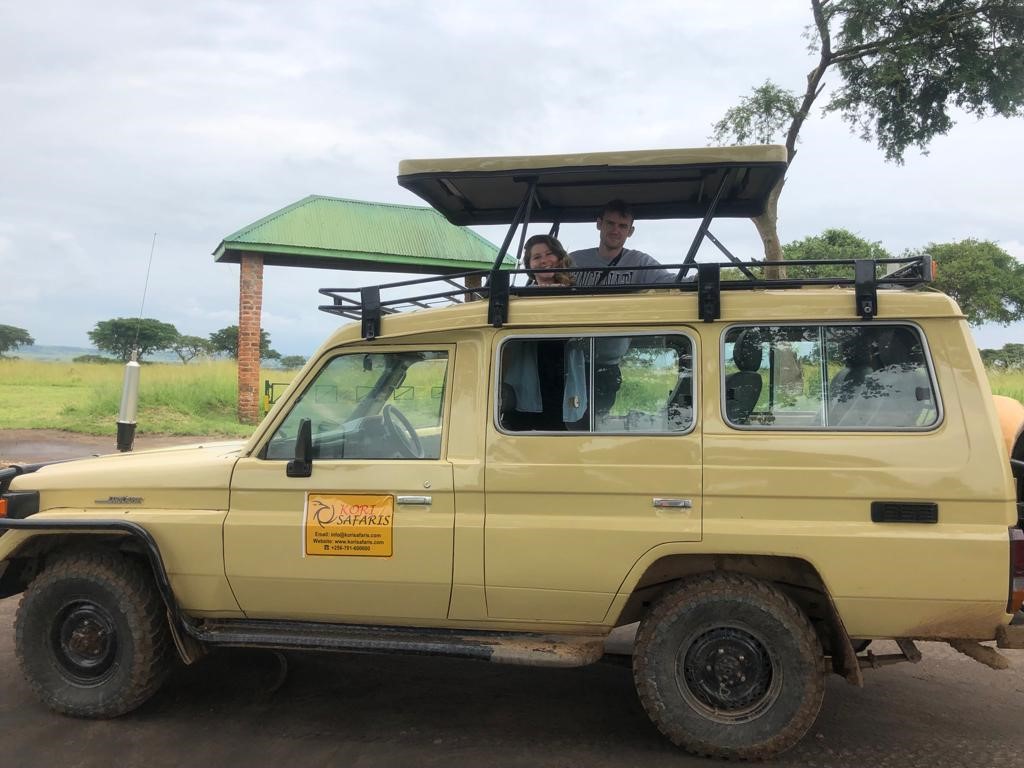
For Kori Safaris, this is an opportunity to help travellers see East Africa as a collection of connected experiences rather than separate destinations.
A traveller who initially enquires about gorilla trekking in Uganda might also be interested in Rwanda’s rainforests, Kenya’s wildlife or Tanzania’s beaches. Understanding those interests allows a safari to be planned around the traveller, not simply around a fixed package.
The best multi-country itinerary is not necessarily the one that visits the most countries. It is the one that balances wildlife, travel time, budget and personal interests.
At Kori Safaris, the goal is to help travellers discover the right combination of destinations, with practical guidance from the first enquiry to the final day of the journey.
Ready to discover more of East Africa?
Your next African safari doesn’t have to stop at one border.
You could trek through Uganda’s rainforests, watch wildlife on Kenya’s plains, discover Rwanda’s volcanic landscapes or explore Tanzania’s vast national parks. With thoughtful planning, these experiences can become part of one memorable journey.
One region. Different cultures. Extraordinary wildlife. More than one way to experience Africa.
Explore the possibilities with Kori Safaris:
- Explore safari packages across Uganda, Rwanda, Kenya and Tanzania
- Discover wildlife safaris in Uganda and Rwanda
- Visit Kori Safaris to start planning a personalised trip.