
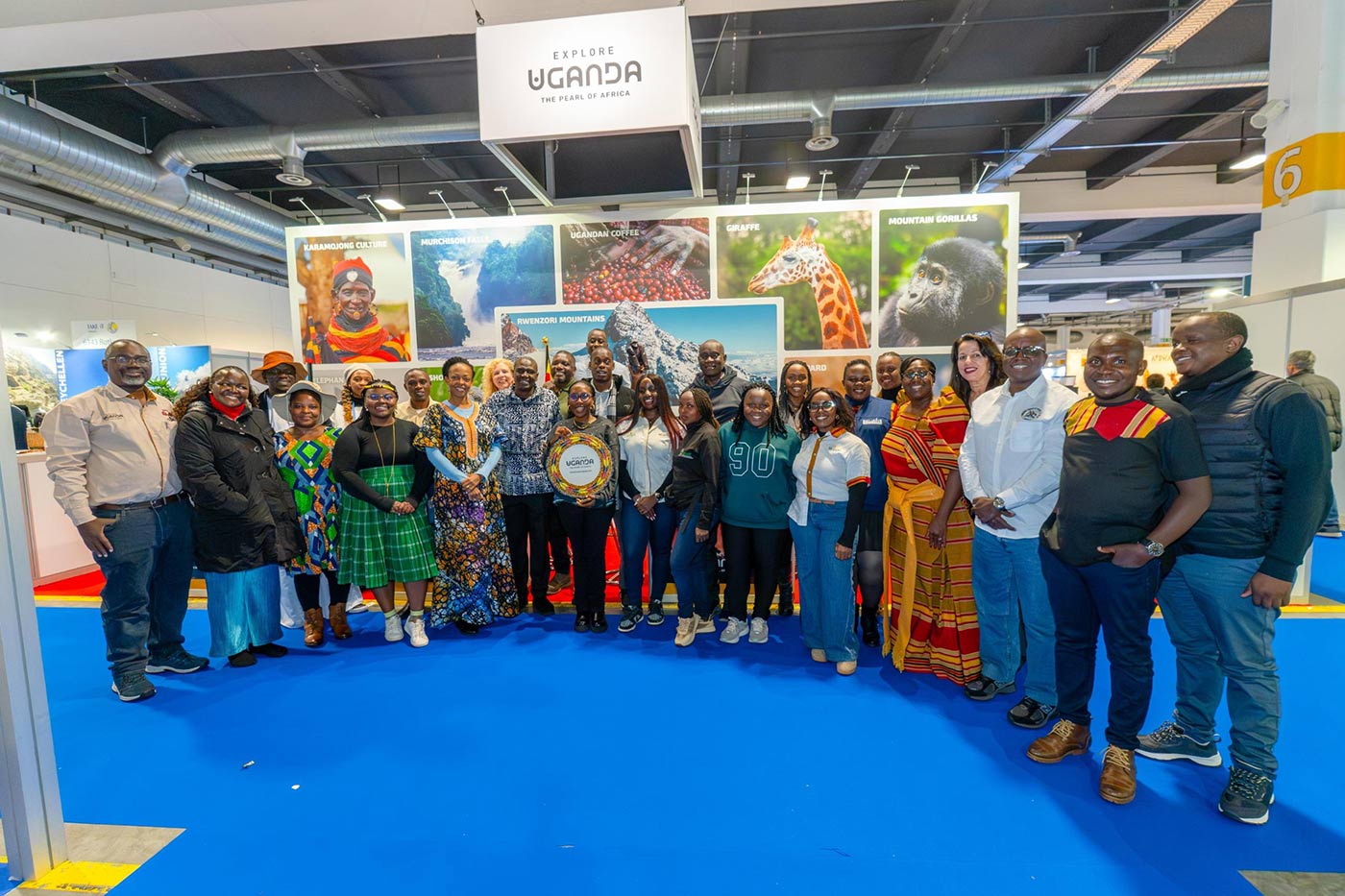
Uganda has long been described as a sleeping giant in African tourism. POATE 2026 made a credible case that the giant is finally waking up , and that the window for early investment is now.
The Pearl of Africa Tourism Expo 2026 did more than connect tour operators with international buyers. Behind the cultural performances and B2B meetings, a quieter but equally significant conversation was taking place , one between Uganda’s tourism leaders and a new wave of investors who see opportunity in a market that is growing fast and still has room to run.
What’s on the table for investors
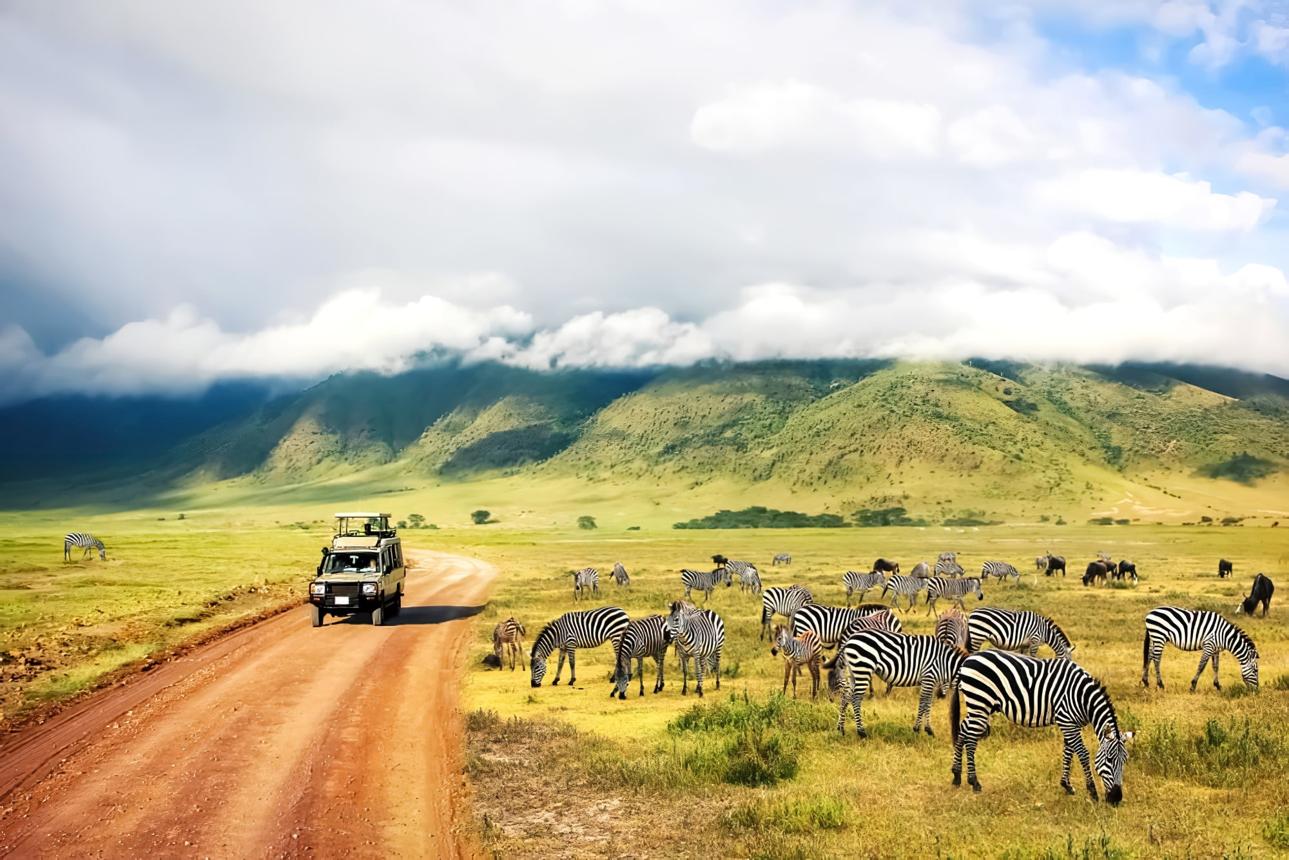
Government officials and tourism stakeholders used the expo as a platform to lay out Uganda’s investment case in concrete terms. The sectors drawing the most interest included hotel development, luxury eco-lodges, domestic aviation, conference facilities, and tourism infrastructure , areas where Uganda still has significant gaps relative to the volume of visitors it is beginning to attract.
Uganda’s strategic position in East Africa adds to its appeal. Sitting at the heart of the region, with borders touching six countries, it is well-placed to serve as a hub for travellers combining multiple destinations in a single trip , a model that is increasingly popular with high-value international tourists.
From the Nile to the Rwenzoris: the natural case sells itself
For investors in adventure and nature-based tourism, Uganda’s geography is a compelling starting point. The headwaters of the Nile in Jinja anchor one of East Africa’s most active white-water and adventure scenes. Further west, the snow-capped Rwenzori Mountains , the fabled Mountains of the Moon , offer trekking terrain that rivals anything on the continent, yet remains largely underdeveloped in terms of visitor infrastructure. These are not niche attractions; they are world-class experiences waiting for the investment that would make them more accessible.
Sustainable tourism: where conservation meets commercial opportunity
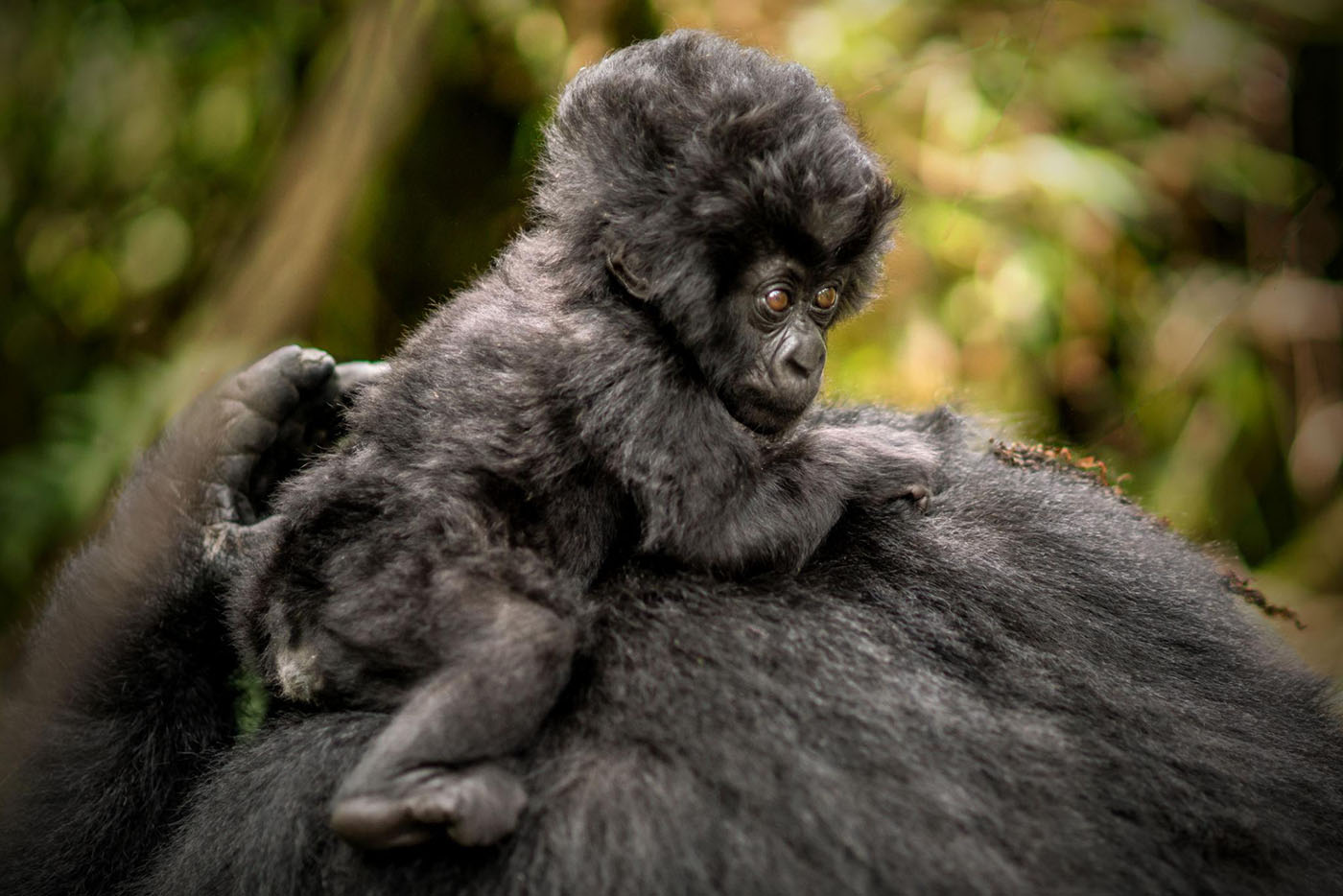
One of the clearest signals from the expo was strong investor appetite for sustainable and eco-friendly tourism projects. This is not simply a trend , it reflects a structural shift in how international travellers choose destinations and how development finance institutions evaluate projects. Investments that tie profitability to wildlife conservation and community benefit are increasingly seen as lower-risk and longer-lasting, and Uganda’s biodiversity gives it a natural advantage in this space.
Jobs, policy, and the bigger economic picture
Tourism experts at the expo pointed to job creation as one of the most direct and measurable benefits of increased investment. Hospitality, tour guiding, domestic transport, photography, and digital marketing are among the sectors expected to absorb the most workers , with young Ugandans particularly well-placed to benefit as the industry scales.
The government’s stated commitment to streamlining tourism policy and improving travel access was also welcomed by investors present. Easier visa processes, better air connectivity, and clearer investment frameworks are the unglamorous details that often determine whether interest at an expo translates into actual capital on the ground.
Tourism already contributes meaningfully to Uganda’s GDP, but most analysts agree the sector is still operating well below its potential. What POATE 2026 provided was a credible, well-attended signal that the ambition to close that gap is real , and that the opportunities for those willing to move early are significant.