
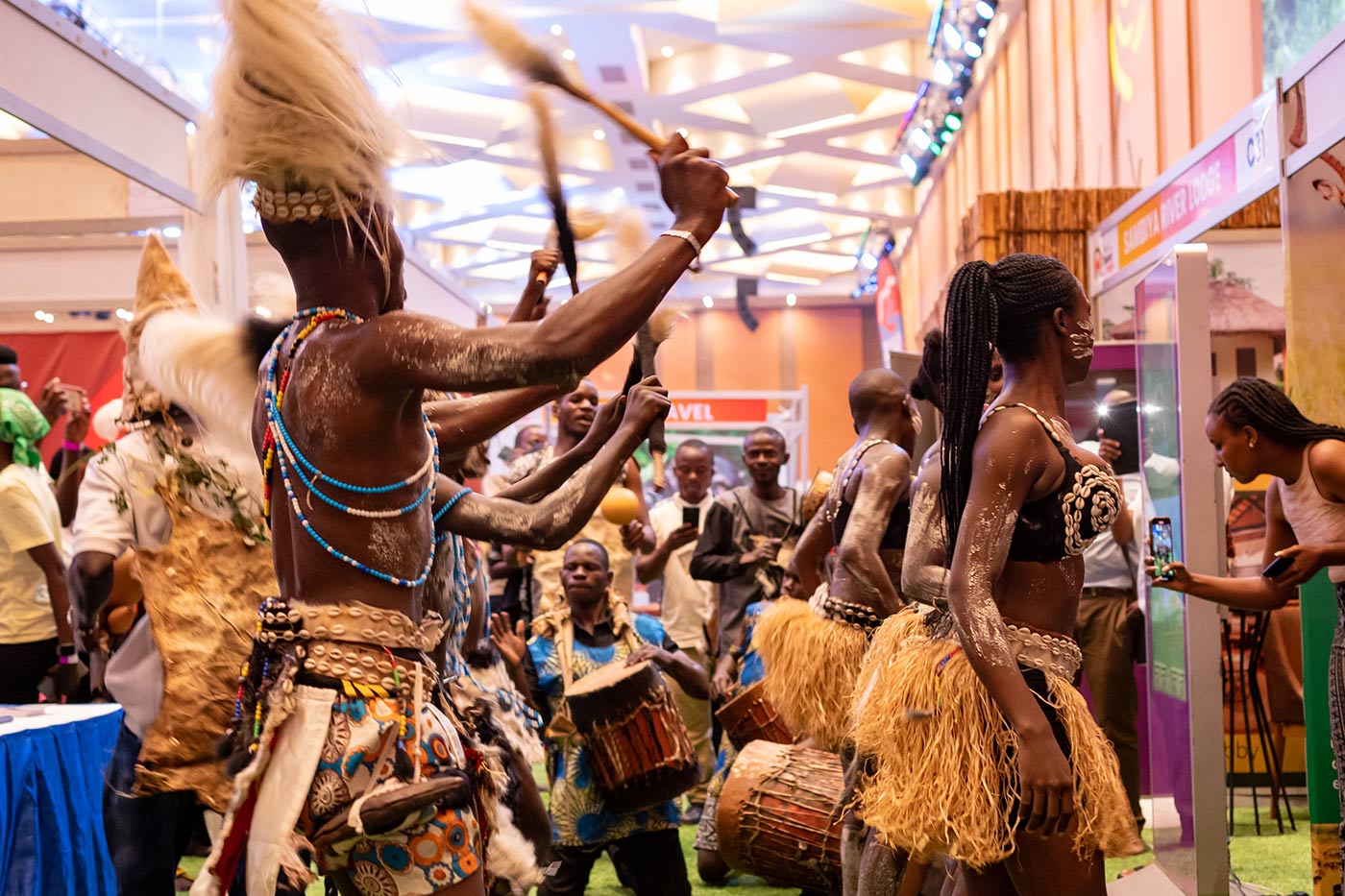
For three days in Munyonyo, Uganda didn’t just talk about its wildlife. It sang, danced, cooked, and drummed its way into the hearts of visitors from across the globe.
The cultural programme running through POATE 2026 was one of the expo’s most talked-about elements , a living, breathing showcase of Uganda’s diversity that went far beyond any brochure. Performers drawn from communities across the country filled the venue with traditional dance, storytelling, drumming, and folk music, offering international attendees an experience that no wildlife documentary could replicate.
Over 50 tribes. One expo. Countless stories.
Uganda’s cultural depth is one of its most underrated tourism assets. With more than 50 distinct ethnic groups, each carrying its own language, traditions, and culinary identity, the country offers a richness that few destinations on the continent can match. At POATE 2026, that diversity was on full display , and international guests were paying close attention.
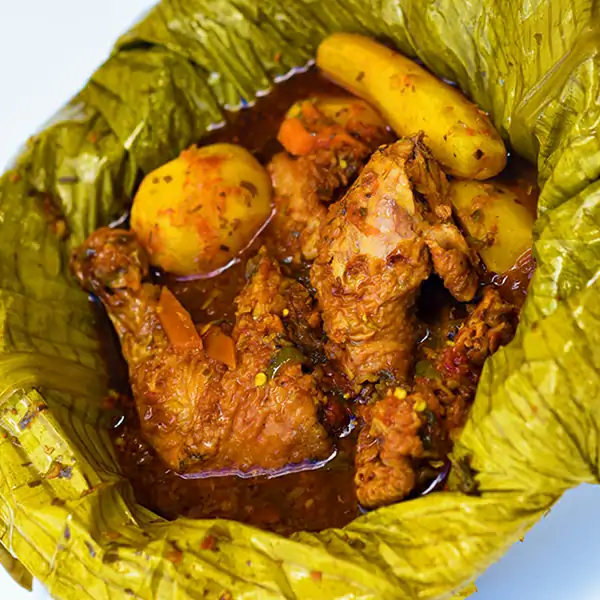
Visitors sampled a spread of Ugandan cuisine that ranged from slow-cooked luwombo wrapped in banana leaves to millet bread, roasted meats, and fresh tropical fruit. Uganda’s world-class coffee , still one of the continent’s finest , rounded out a food experience that gave attendees something tangible to carry home and talk about.
Culture that pays its own way
Beyond the spectacle, tourism leaders at the expo made an economic case for cultural tourism that was hard to argue with. When travellers seek out authentic local experiences, the benefits flow directly to performers, artisans, chefs, craft sellers, and community guides , not just to hotels and lodges. It is one of the most grassroots forms of tourism revenue, and Uganda is uniquely positioned to capitalise on it.
There is also a preservation dimension. When traditions are celebrated in front of paying, curious international audiences, communities have a practical incentive to keep them alive. The expo served as a reminder that cultural tourism and heritage conservation are two sides of the same coin.
Where to go next: heritage sites worth the journey
International guests who discovered Uganda’s cultural side at the expo were pointed toward destinations that can deliver that experience in full. The Kasubi Tombs , a UNESCO World Heritage Site and the burial ground of Buganda kings , offer a window into royal history that few places in East Africa can match. The Ndere Cultural Centre in Kampala hosts weekly performances that bring together music and dance from across Uganda’s regions. And for visitors willing to venture further, the country’s traditional kingdoms each hold their own ceremonies, crafts, and ancestral narratives waiting to be explored.
A broader tourism identity is taking shape
What POATE 2026 confirmed is that Uganda’s tourism identity is expanding. Gorilla trekking and wildlife remain the marquee attractions, but the country is building a compelling case as a destination for travellers who want depth , people who are less interested in ticking off a list and more interested in sitting with a community, sharing a meal, and leaving with something that feels genuinely earned. That is a growing segment of the global travel market, and Uganda just made a very strong pitch to it.