
There’s a quiet revolution happening in the heart of East Africa, and Uganda is leading it.
The Pearl of Africa closed out 2025 with a 12% year-on-year increase in international tourist arrivals, a figure that might sound like a dry statistic until you consider what it actually means: more boots on the red-soil trails of Bwindi National Park, more boats on the Nile at Murchison Falls, and more revenue flowing into local communities that have spent years building a world-class tourism offering on a budget that other destinations wouldn’t blink at.
What makes this growth story particularly compelling is who is driving it. This isn’t a tale of wealthy Western travellers discovering Uganda for the first time, though that’s happening too. The surge is being powered by a broad coalition of African neighbours who are increasingly choosing Uganda as their go-to adventure destination.
Kenya, Rwanda, Tanzania and Beyond
Kenya’s expanding regional flight network has played an outsized role in funnelling tourists into Entebbe International Airport. As Nairobi continues to position itself as East Africa’s aviation hub, Ugandan tour operators are benefiting from the connecting traffic, travellers landing in Kenya and hopping across for a gorilla trek or a safari in Queen Elizabeth National Park.
Rwanda’s contribution is deeply personal. Rwandans, who share more than a border with Uganda, they share mountain gorilla habitat, have grown increasingly curious about Uganda’s national parks and cultural sites. With both countries investing heavily in tourism marketing, the two destinations have become less competitors and more complements, feeding each other’s growth in ways that are quietly reshaping how intra-African travel works.
Tanzania, Zimbabwe, Namibia, and South Africa round out the picture. South Africa’s contribution is particularly noteworthy: the launch of direct flights connecting Johannesburg to Entebbe has unlocked a market of high-end South African travellers who were previously making Uganda a logistical afterthought. Now, with a non-stop connection in place, Uganda is squarely on the luxury safari circuit for Southern African travellers.
The “Big Seven” Pitch That’s Working
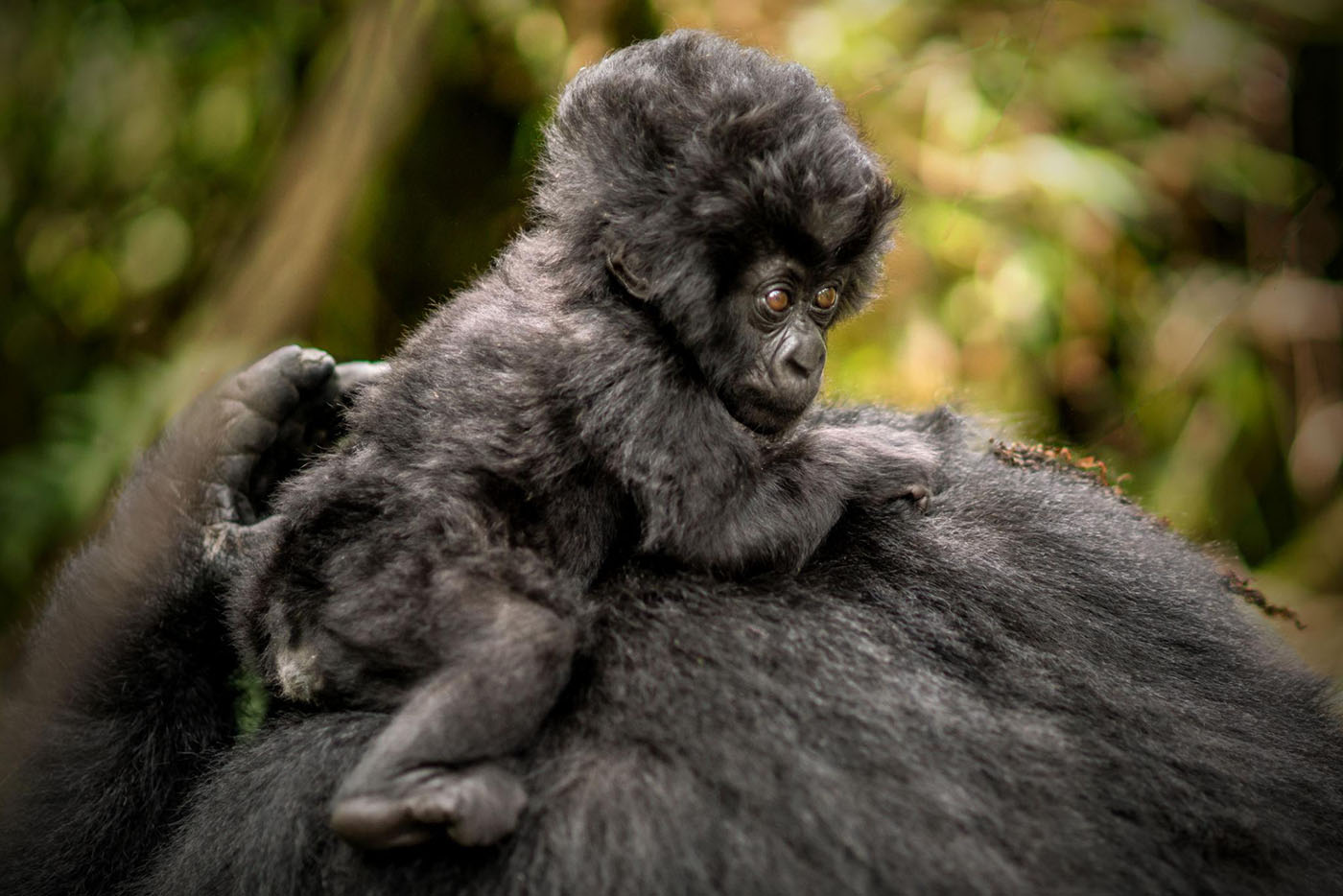
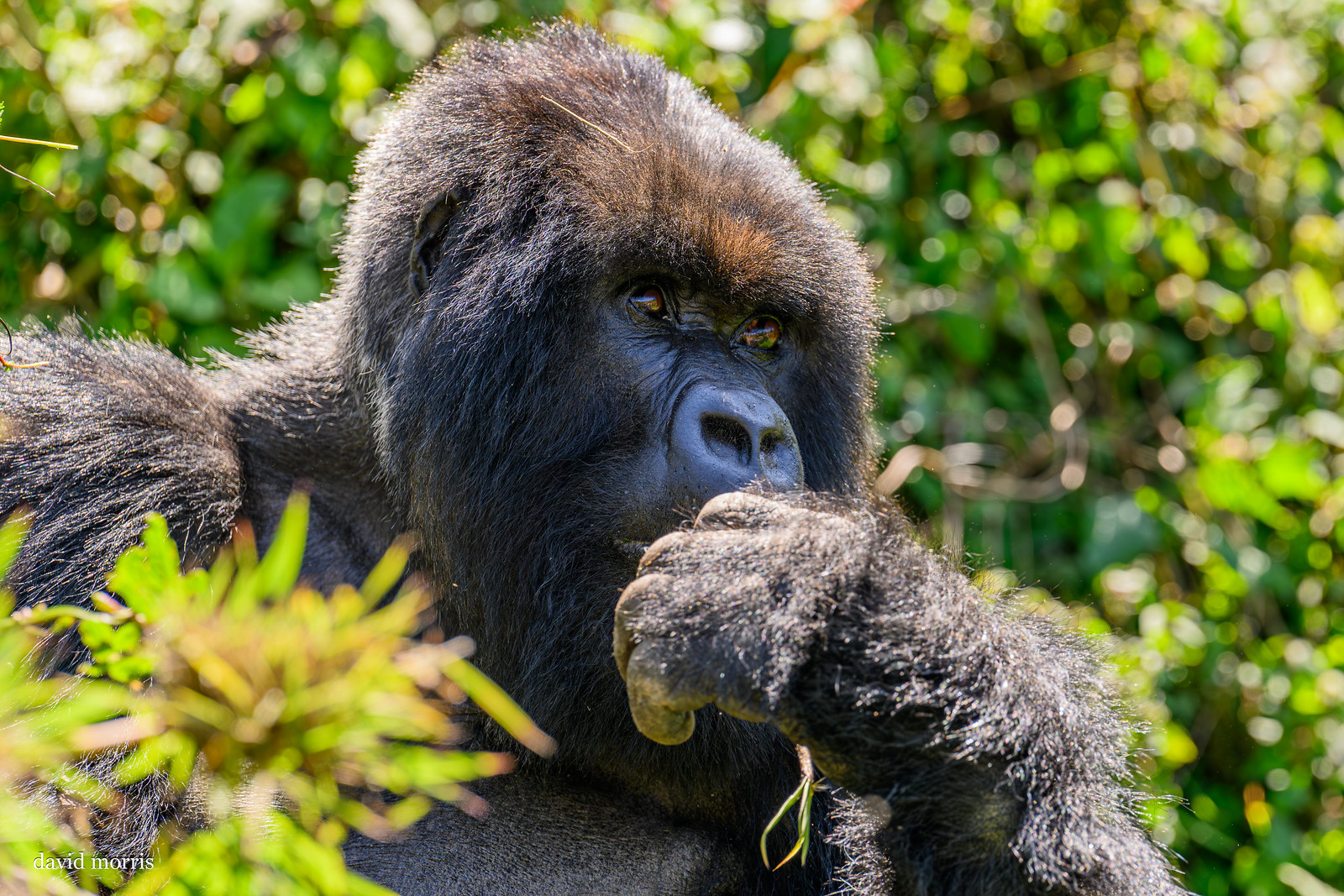
For years, Uganda’s marketing centred almost entirely on gorilla trekking, understandably so. Sitting with a mountain gorilla family in Bwindi Impenetrable Forest remains one of the most emotionally profound experiences available to any traveller on earth. But the country has been quietly building a much broader proposition.
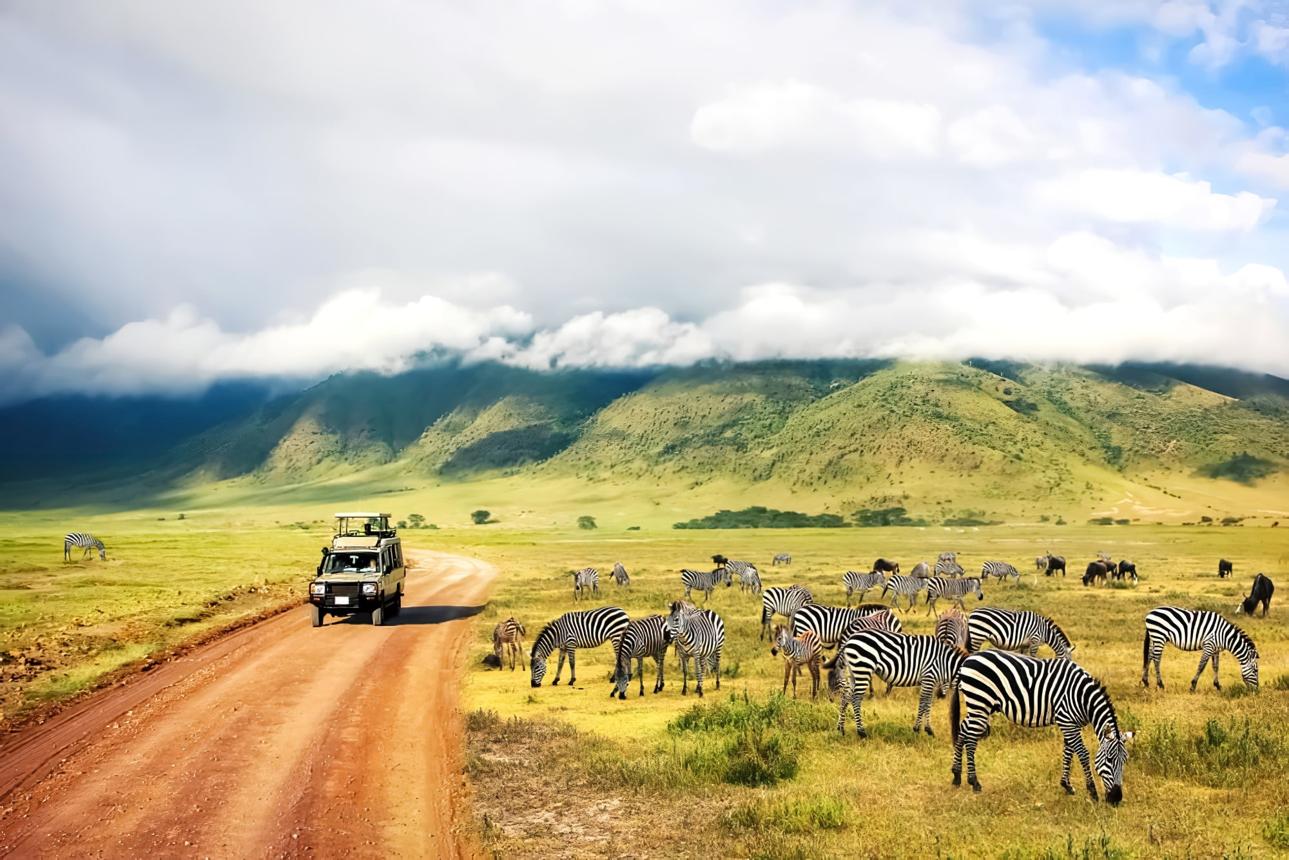
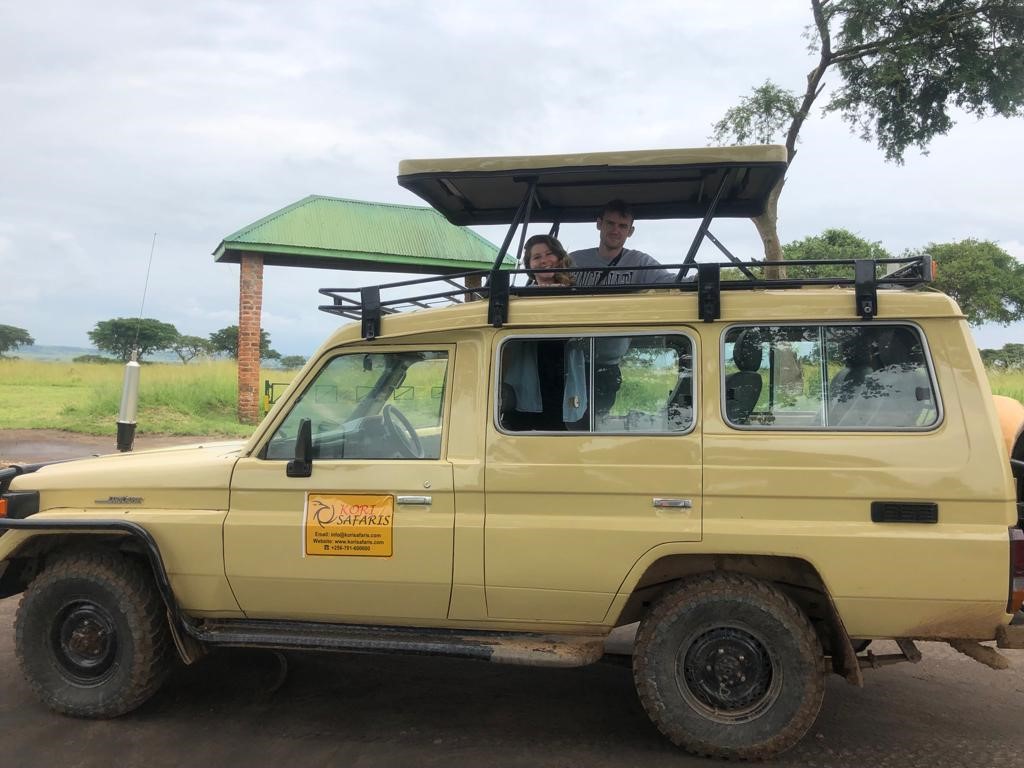
In 2026, Uganda is pitching what safari insiders are calling the “Big Seven”, the traditional Big Five (lion, leopard, elephant, buffalo, and rhino) plus mountain gorillas and chimpanzees. It’s a combination no other single destination on the continent can offer. The revival of the Ziwa Rhino Sanctuary and expanding lion populations in Kidepo Valley National Park mean that travellers can encounter the full spectrum of African megafauna in a single trip, often without the convoy of tourist vehicles that crowds the more famous circuits in Kenya and Tanzania.
The hospitality sector is keeping pace. A new generation of eco-luxury lodges, among them Erebero Hills in Bwindi and Kulu Ora near Murchison Falls, has opened with a focus on what operators are calling “active luxury”: wellness-integrated stays, sustainable architecture, and an emphasis on privacy that mass-market destinations simply can’t replicate.
What This Means for Travellers
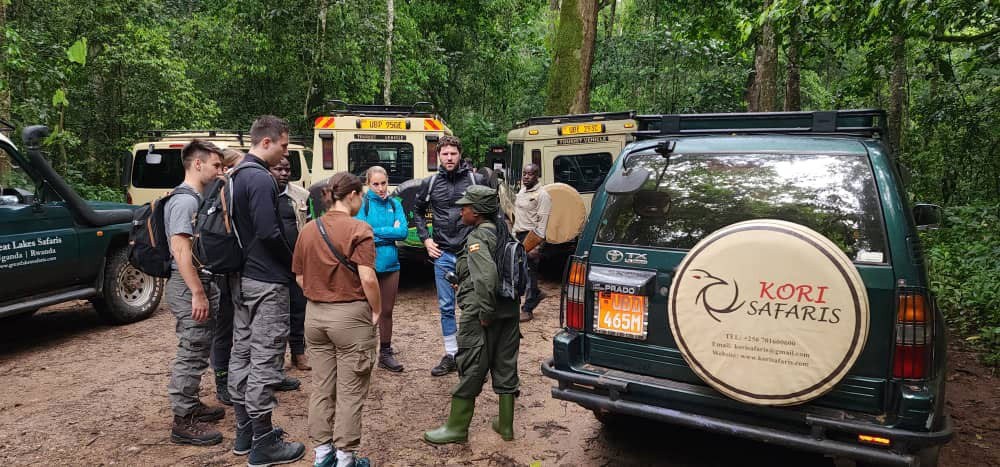
If you’ve been putting Uganda on the “someday” list, the window for experiencing it without the crowds is narrowing, but the infrastructure to enjoy it comfortably has never been better. Gorilla trekking permits remain in high demand, so booking months in advance is essential. Chimpanzee tracking in Kibale Forest and white-water rafting on the Nile near Jinja are increasingly popular add-ons that extend average stays and deepen visitor engagement with the country.
For travellers from within Africa, the practical barriers are lower than ever. Regional flights are more frequent, the East Africa Tourist Visa covers Uganda, Kenya, and Rwanda under a single $100 permit, and tour operators across the region are actively packaging multi-country itineraries that treat the whole of East Africa as one destination, which, increasingly, it is.
Uganda’s 12% growth figure is impressive on its own terms. But the more interesting story is what it signals: a country that has invested patiently in its natural assets and tourism infrastructure is starting to see compounding returns. The rest of East Africa is watching, and travelling there in record numbers.
Planning a Uganda safari? The dry seasons (June–August and December–February) offer the best wildlife visibility. For gorilla trekking permits or multi-country East Africa itineraries, book well in advance through a licensed tour operator.