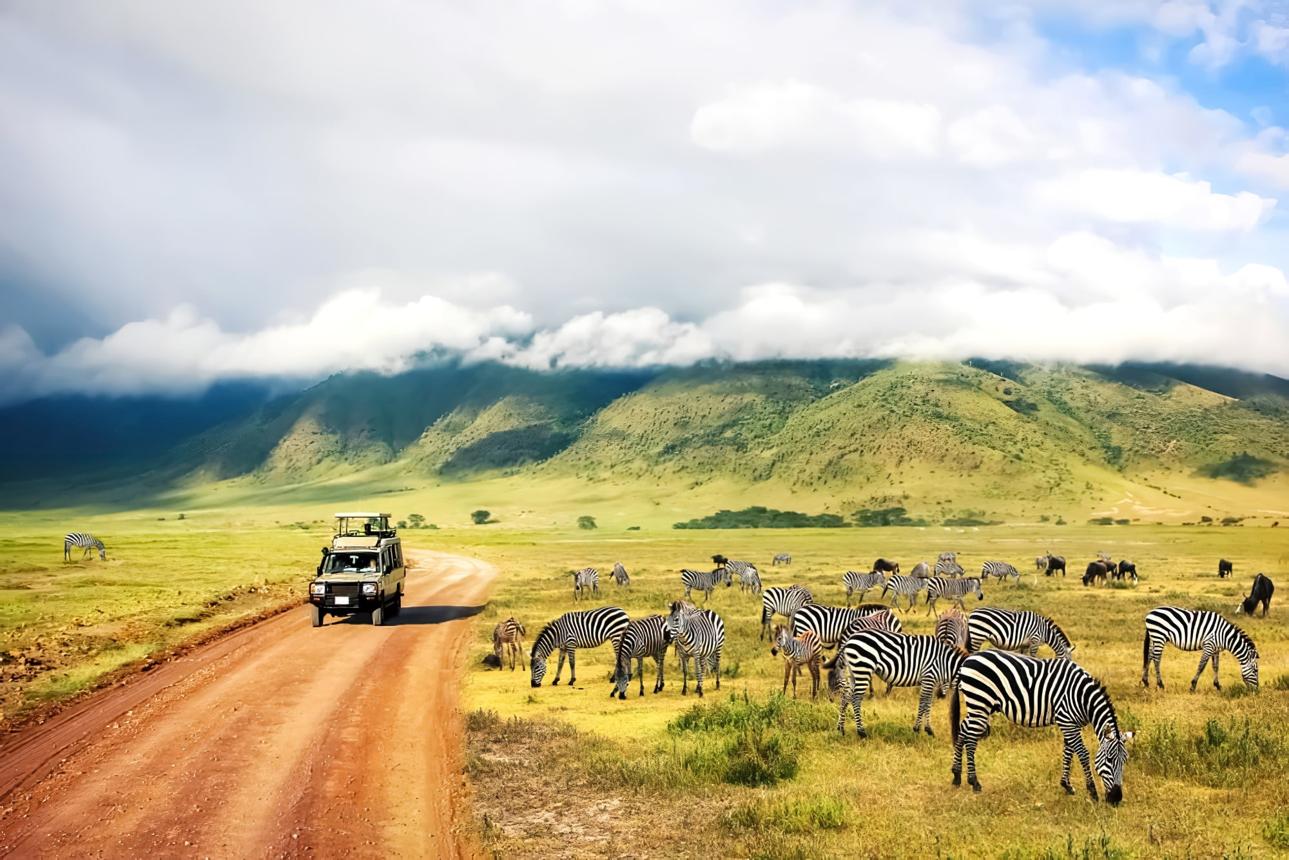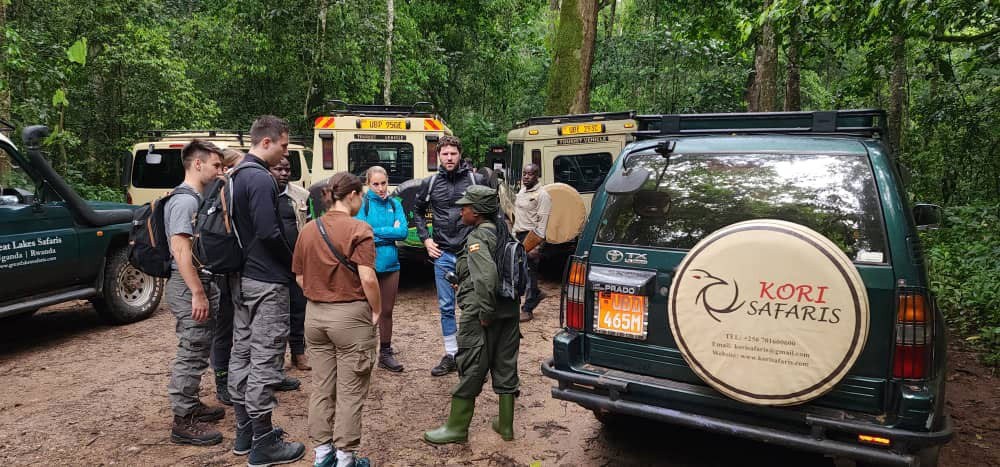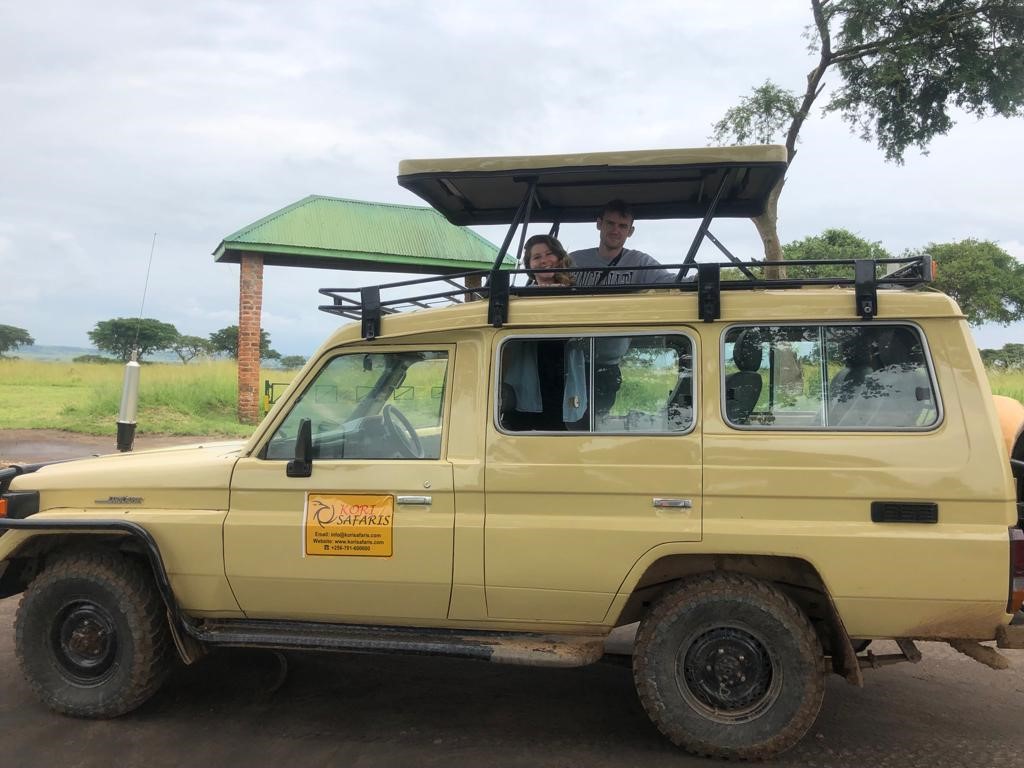


There’s a moment in every region’s tourism evolution when the bureaucratic barriers start to fall faster than the marketing budgets can keep up with. For East Africa, that moment appears to be now , and Rwanda is leading the charge.
In a policy shift that went into full effect moving from late 2025 into 2026, Rwanda extended visa-free access to all 55 African Union member states, allowing citizens to enter without a visa for stays of up to 30 days. For travellers from East African Community countries, Kenya, Uganda, Tanzania, Burundi, South Sudan, and the Democratic Republic of Congo, the arrangement is even more generous: up to six months, no visa required.
To put that in plain terms: a Kenyan, Ugandan, or Tanzanian can now board a flight to Kigali and walk through immigration with nothing more than a valid passport and a plan. That’s a bigger deal than it might sound.
Why Visa Policy Matters More Than Most People Think
Seasoned travellers often underestimate how much friction a visa requirement introduces , not just the cost, but the uncertainty, the paperwork, the waiting, the possibility of rejection. For spontaneous weekend trips or last-minute business travel, even a streamlined visa process is enough to tip a decision toward a more familiar destination.
By removing that friction entirely for African travellers, Rwanda has positioned itself as the path of least resistance into one of the continent’s most visually stunning and logistically well-run destinations. Volcanoes National Park, home to roughly a third of the world’s remaining mountain gorillas, is now accessible to any African passport holder without a single form to fill in before departure. Lake Kivu, with its cool highland climate and increasingly sophisticated lakeside lodges, becomes a realistic long-weekend escape for residents of Nairobi, Kampala, or Dar es Salaam.
Authorities have also made it clear that this isn’t just about leisure tourism. The policy is designed to encourage business exchanges, cultural tourism, and the kind of repeat visits that build the sustained travel relationships Africa’s intra-regional tourism sector has historically struggled to develop. Rwanda is already ranked as the most visa-open country in Africa, according to the 2025 Africa Visa Openness Index, this latest expansion reinforces that lead.
Gorilla Country Becomes More Accessible, But Not Cheap
 It’s worth being honest about what this policy does and doesn’t change. Entering Rwanda is now simpler for African travellers than ever before. But experiencing Rwanda’s signature attraction , gorilla trekking in Volcanoes National Park, still comes with a permit cost that places it firmly in the premium category.
That’s a deliberate conservation choice, not an oversight. Rwanda limits the number of trekking permits issued each day, and the high permit price directly funds the protection of the gorillas and the communities that live alongside them. The result is one of the most controlled, high-quality wildlife experiences on the continent, but it remains aspirational for many regional travellers.
Where the visa change will likely have the most immediate impact is in driving midrange and budget travel to Kigali itself, to Lake Kivu’s quieter shores, and to the rolling green hills that give Rwanda its “land of a thousand hills” identity. These experiences don’t carry the gorilla permit price tag, and they’re increasingly well served by guesthouses, boutique hotels, and community tourism initiatives aimed squarely at regional visitors.
Kenya Takes a Different Route: Sports as a Tourism Engine
While Rwanda is simplifying entry, Kenya is betting on spectacle.
The 2026 edition of the WRC Safari Rally, held in Naivasha, drew over 10,000 regional visitors from Uganda, Tanzania, Rwanda, and beyond, according to the Kenya Tourism Board. The event, which has become a centrepiece of Kenya’s broader tourism calendar, is no longer marketed purely as a motorsport event. It’s packaged as an experience: arrive for the rally, extend your stay along the coast, add a Maasai Mara game drive, see Nairobi’s growing creative and tech scene.
At ITB Berlin 2026, the Kenya Tourism Board launched “Experience Wonder”, a refresh of the long-running “Magical Kenya” platform explicitly designed to reach younger, digitally connected travellers who want neighbourhood-level encounters rather than packaged resort stays. It’s a smart pivot. The classic safari still dominates Kenya’s tourism identity, but the country is working hard to build a more layered offering: adventure, culture, MICE events, sports, and the kind of urban energy that Nairobi increasingly delivers.
Kenya has also moved toward visa-free or electronic travel authorisation entry for more African nationals, mirroring Rwanda’s direction. Cross-border packages marketed as “Visit East Africa” itineraries encourage travellers who fly into Nairobi to continue on to Uganda, Rwanda, and beyond, treating the region as a single destination rather than a collection of separate countries.
The Bigger Picture
What’s unfolding across East Africa in 2026 is something that travel industry observers have been anticipating for years: a genuine regional tourism ecosystem, where easier movement, better connectivity, and smarter marketing combine to make the whole more attractive than any single country could be on its own.
Rwanda drops visa requirements. Kenya packages the rally alongside the Mara. Uganda pitches the Big Seven. Tanzania adds Zanzibar beach extensions to Serengeti safaris. None of these moves is dramatic in isolation, but together, they’re quietly reshaping East Africa’s position in the global travel conversation.
For travellers, the message is simple: there has rarely been a better time to explore this part of the world, and the barriers to doing so have rarely been lower.
*Visiting Rwanda? AU citizens no longer need a visa for stays up to 30 days. EAC nationals (Kenya, Uganda, Tanzania, and others) can stay up to six months. Gorilla trekking permits for Volcanoes National Park must be booked in advance through the Rwanda Development Board.