
East Africa tourism is entering an exciting new chapter. On 15 October 2026, tourism ministers from the eight East African Community (EAC) member states adopted a 10-year tourism marketing strategy. It covers 2027 to 2036. The goal is to promote East Africa as one competitive destination. This should make it easier for international visitors to discover the region’s wildlife, landscapes, cultures and travel experiences.
The strategy will use digital marketing, partnerships and cross-border tourism packages. It will run under the regional brand “Visit East Africa: Feel the Vibe.” Ministers have also promised to use the 2027 Africa Cup of Nations (AFCON) to showcase the region and attract more visitors. Source: East African Community.
So what does this mean if you are planning an African holiday? Could it become easier to combine a gorilla trek in Uganda with a safari in Kenya, Rwanda or Tanzania? And what could it offer travellers who want to see more of East Africa in one trip?
For Kori Safaris, this story matters. It shows the value of looking beyond single countries and discovering the region as a whole.
What Is East Africa’s New 10-Year Tourism Strategy?
The new EAC Tourism Marketing Strategy gives the region a shared plan. Over the next decade, countries will promote their attractions together.
In the past, each country mostly ran its own campaigns. Now the countries plan to join forces. Together, they want to present East Africa as a destination with a wide range of experiences.
The strategy focuses on six key areas:
Joint tourism marketing: Coordinated campaigns that promote East Africa to international visitors.
Digital promotion: Online platforms that reach travellers and show off regional attractions.
Multi-country safari packages: Itineraries that combine experiences across borders.
Tourism standards: More consistent accommodation grading and service quality.
Regional travel: Ongoing talks on the East African Single Tourist Visa and other ways to ease cross-border journeys.
Conservation cooperation: Stronger protection for shared ecosystems and wildlife habitats.
The EAC also welcomed Uganda’s offer to host the fourth EAC Regional Tourism Expo. It will run alongside the Pearl of Africa Tourism Expo (POATE) in May 2027. The joint event should include AFCON promotions and multi-country tourism packages.
These are important commitments. However, the full benefits will depend on delivery, funding and cooperation between governments and tourism businesses.
Why Is East Africa Promoting Itself as One Destination?
East Africa offers a remarkable mix of experiences in a single region. You can meet mountain gorillas in Uganda or Rwanda. You can watch lions on Kenya’s savannah or follow the Great Migration in Tanzania. You can also explore tropical forests, visit traditional communities or relax beside the Indian Ocean.
Each country has its own attractions. Together, though, they offer far more choice.
Picture a traveller arriving for the first time. They may plan to visit just one national park. Then they learn about the other destinations, and they decide to stay longer and see more of East Africa.
This creates opportunities for tourism businesses, hotels and lodges, guides, transport companies and local communities. Longer stays mean more spending in more places. That can support jobs and local businesses. Better cooperation can also help smaller tourism operators reach international markets.
The idea is simple. When countries work together, travellers discover more, and more communities benefit from tourism.
What Does This Mean for Someone Planning a Safari?
Over time, the strategy could make multi-country holidays easier to plan and more appealing. Instead of choosing between Uganda, Kenya, Rwanda and Tanzania, you can mix them. You can build a route that suits your interests, budget and time.
Here are four ideas.
1. Uganda and Rwanda: A Mountain Gorilla Adventure
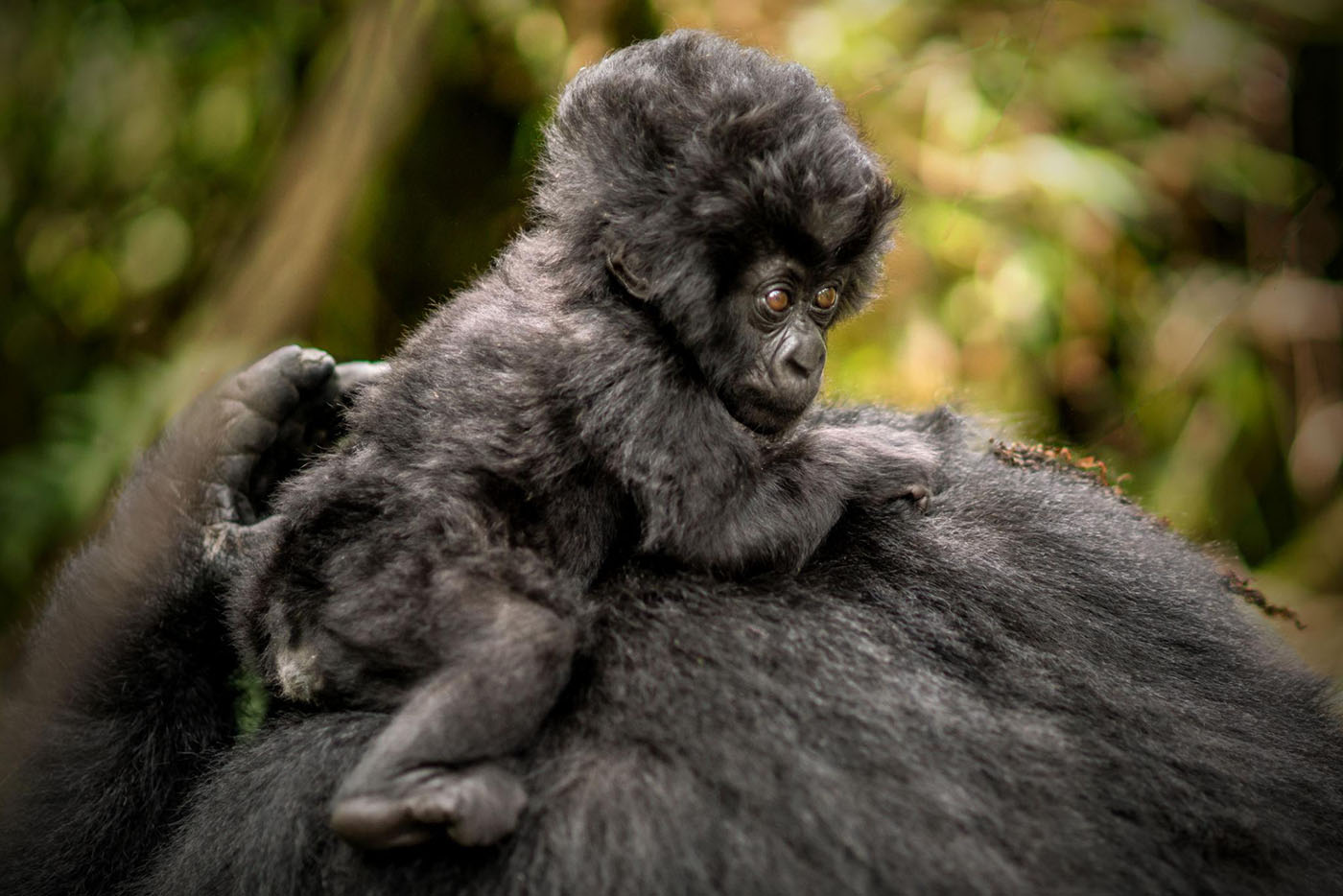
If your dream is to see mountain gorillas, combining Uganda and Rwanda makes a memorable primate journey.
In Uganda, Bwindi Impenetrable National Park offers gorilla trekking through dense rainforest. You can also visit Kibale Forest to track chimpanzees. From there, you can continue to Queen Elizabeth National Park for wildlife drives and boat safaris.
In Rwanda, Volcanoes National Park is the main place for mountain gorilla trekking. You can then add Nyungwe National Park for rainforest adventures and chimpanzees. Akagera National Park is another option for savannah wildlife.
Together, these parks give you a deeper view of the region’s forests, conservation work and wildlife.
Remember, though, that gorilla permits are specific to each country and park. Every trek needs advance planning. Crossing a border does not remove the need for the right permits and entry documents.
2. Kenya and Tanzania: Discover the Great Savannahs
Kenya and Tanzania are ideal for a classic African wildlife safari.
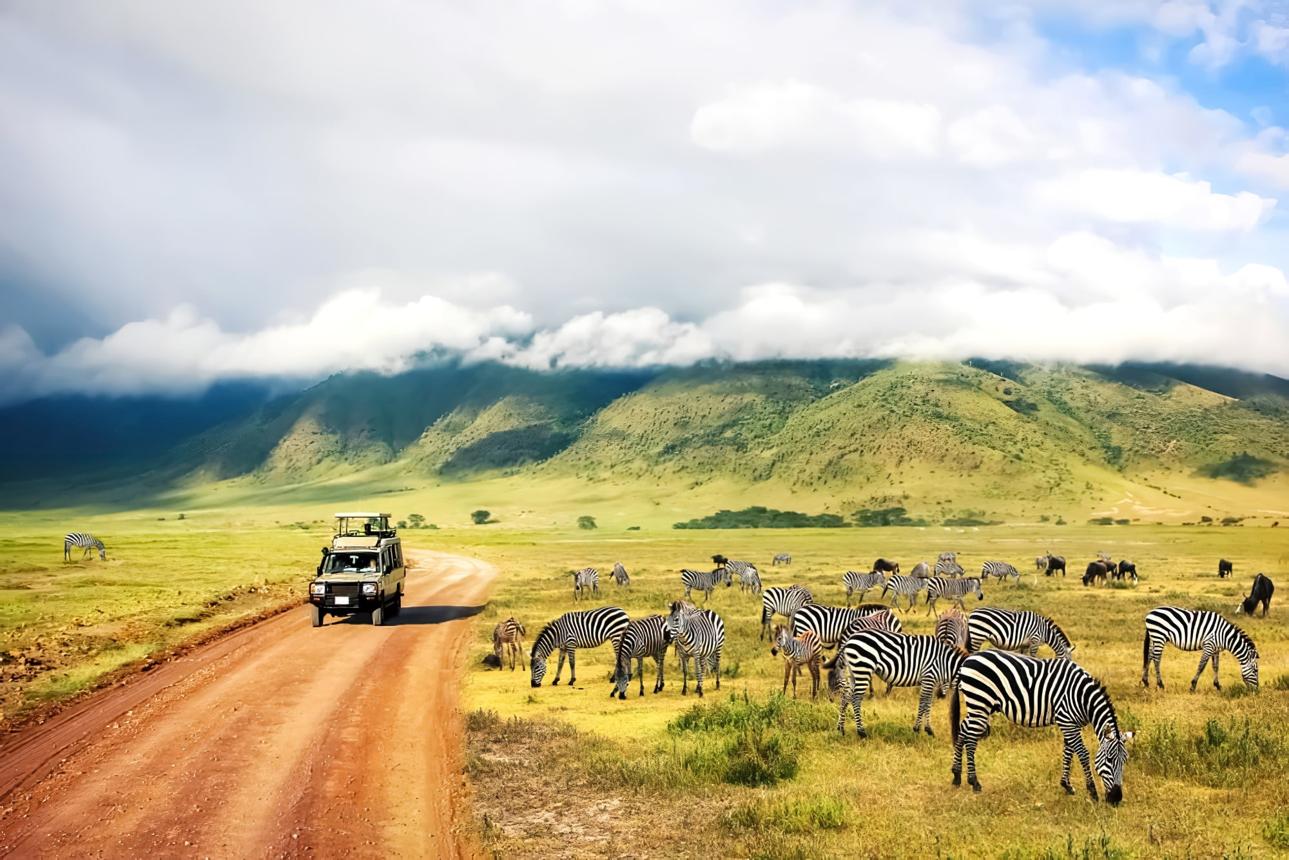
In Kenya, the Maasai Mara is famous for its big cats, open grasslands and seasonal wildlife movements. Amboseli offers close elephant encounters and views of Mount Kilimanjaro. Across the border in Tanzania, the Serengeti stretches across vast wildlife plains. Meanwhile, Ngorongoro Crater offers spectacular scenery and excellent wildlife viewing in one place.
Combining the Maasai Mara and Serengeti is especially popular with travellers who want to see the Great Migration. The key is careful planning. Think about where the herds are moving, how long border crossings take and how far apart the destinations are. Wildlife sightings are never guaranteed. So, your itinerary should still feel rewarding even if you miss certain animals or river crossings.
3. Uganda and Kenya: Forests, Wildlife and the Coast
Uganda and Kenya make a different kind of pairing.
You could start with gorilla trekking in Bwindi or chimpanzee tracking in Kibale. Next, you could fly or drive to Kenya for wildlife in the Maasai Mara or Amboseli. If time allows, you could end the trip on Kenya’s coast. Beaches, Swahili culture and the Indian Ocean make a relaxing finish. This route suits visitors who want primates, classic game drives and a beach escape in one holiday. Check flights, road transfers and border arrangements carefully before you book. The most convenient route depends on your chosen parks and travel dates.
4. A Longer East African Safari
If you have more time, you could combine Uganda, Rwanda, Kenya and Tanzania in one journey. Such a trip might include mountain gorillas, chimpanzees, savannah wildlife, the Great Migration and a beach stay in Zanzibar.
Still, visiting more countries does not automatically mean a better holiday.
A rushed itinerary can leave you travelling too much and enjoying too little. The best route balances travel time, accommodation, wildlife interests and budget. For many visitors, two countries explored well are more rewarding than four countries squeezed into a short trip. Will It Become Easier to Travel Between East African Countries?
Easier regional travel is one of the strategy’s main priorities.
The EAC has been working on the Single Tourist Visa. Right now, it lets eligible visitors travel between Uganda, Kenya and Rwanda on one regional visa. However, the new 10-year strategy does not mean one visa for all eight EAC countries is available today. If you plan to visit Tanzania or another EAC member state, check the entry rules for your nationality and itinerary.
The EAC has also asked for more work on the Single Tourist Visa. This includes sharing an updated study and holding talks with partner states. So, the process is still ongoing. You should also think about transport links, border procedures, flight schedules and the time needed to move between national parks. As regional cooperation grows, improvements in these areas could make multi-country safaris more practical.
AFCON 2027: A New Opportunity for East African Tourism
The 2027 Africa Cup of Nations should bring football fans, teams, officials, media and other visitors to East Africa.
Kenya, Uganda and Tanzania are the three host countries. The EAC tourism strategy aims to use the tournament to promote tourism across the wider region, not just at match venues. This opens up exciting options for football fans. Imagine watching a match in Uganda, then exploring the country’s wildlife parks. Or you could follow the tournament in Kenya and add a safari in the Maasai Mara. If you travel to Tanzania, you might visit the Serengeti or Zanzibar, depending on your schedule.
The tournament could also introduce travellers to places they had never considered. That said, wait for confirmed travel arrangements before you finalise an AFCON holiday. Look for ticket details, flight schedules and any special visa rules. For safari operators, the opportunity is clear. They can help football visitors turn a short sporting trip into a wider African adventure.
What Should Travellers Do Now?
The strategy runs from 2027 to 2036, so many benefits will appear over time. You do not need to wait for every regional plan to be finished before you book a safari. Even so, prepare carefully.
Here are five practical steps:
- Decide what you most want to experience. Is it gorilla trekking, the Great Migration, birdwatching, cultural tourism, photography or a beach holiday?
- Choose countries that complement one another. Build your itinerary around experiences, not around how many destinations you can visit.
- Check permits and entry requirements early. Gorilla permits, visas and park bookings can affect your travel dates.
- Budget for the full journey. Include accommodation, transport, park fees, activities, travel insurance and any extra visa costs.
- Work with a knowledgeable safari operator. A good operator can arrange transfers, suggest the right destinations and build a realistic itinerary around your interests and budget.
These steps matter no matter how regional cooperation develops.
What the Strategy Means for Kori Safaris
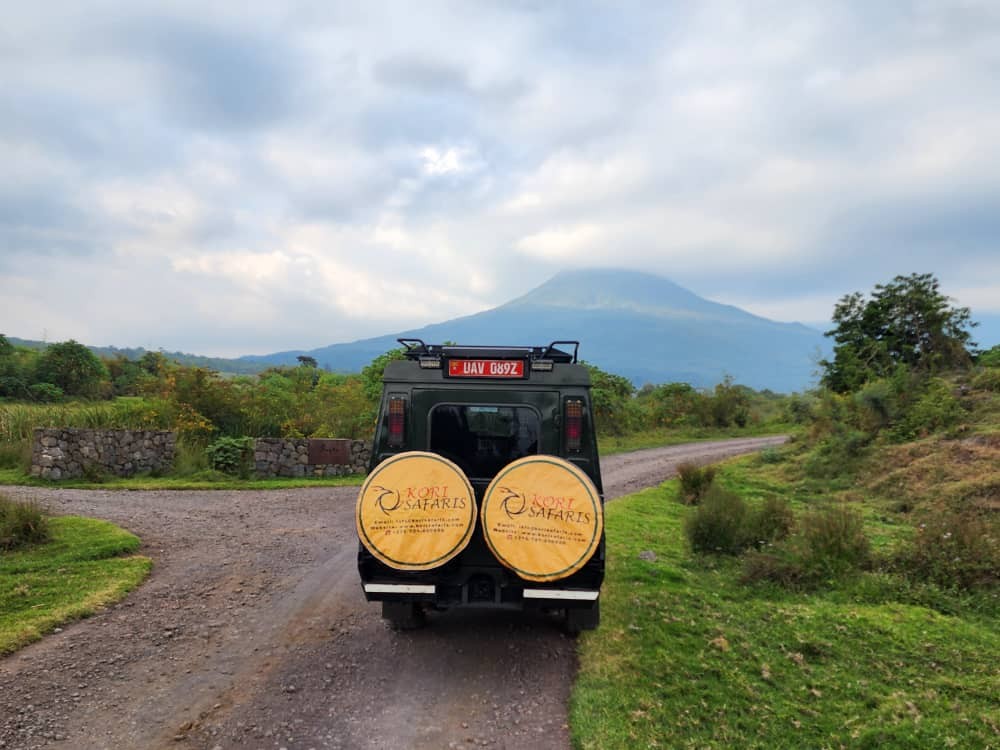
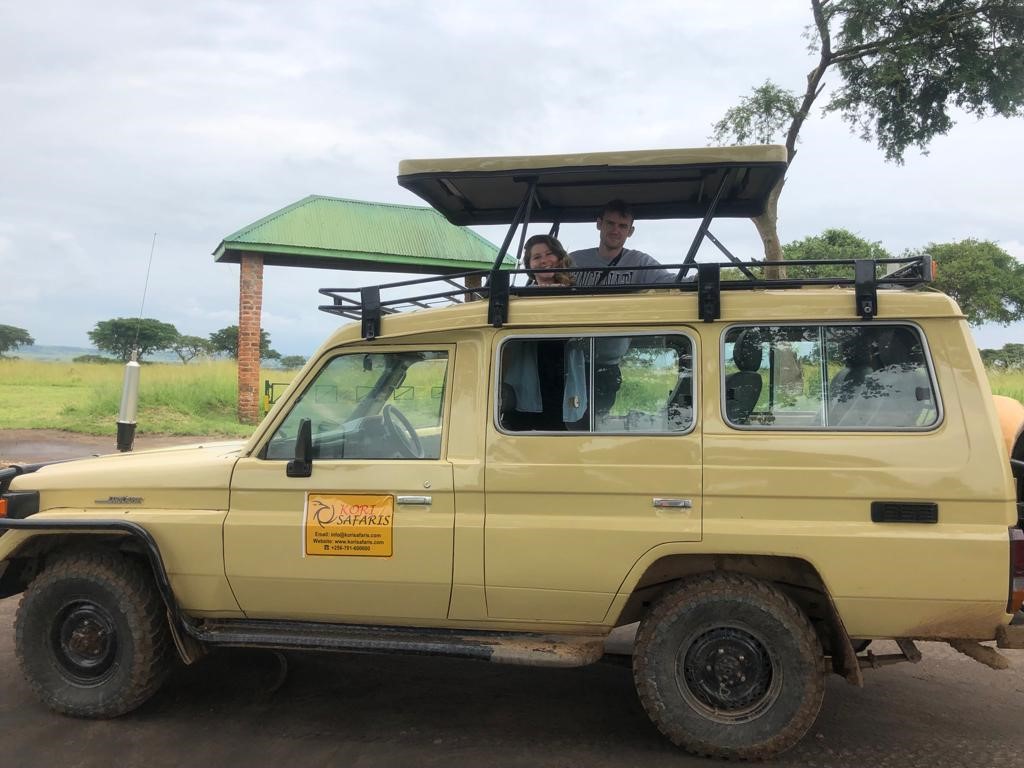
For Kori Safaris, the new strategy supports a wider approach. We look beyond single safari packages and help travellers understand the whole region.
Say a guest asks about gorilla trekking in Uganda. They may also love Rwanda’s rainforests, Kenya’s wildlife or Tanzania’s national parks. When we understand these interests, we can recommend a journey that truly fits, rather than a standard package.
Kori Safaris can help you explore options across Uganda, Rwanda, Kenya and Tanzania. We take your time, budget and favourite experiences into account.
The aim is not to squeeze every country into one holiday. Instead, we help each traveller find the combination that makes the most sense for them.
As regional tourism cooperation grows, accurate information, thoughtful itineraries and reliable service will stay essential.
East Africa’s Next Chapter Starts with Cooperation
The 2027–2036 tourism marketing strategy is an important step. It moves East Africa closer to being seen as one connected destination.
The region already has the wildlife, landscapes, cultures and hospitality to attract visitors from around the world. The next challenge is making it easier for those visitors to discover more.
If regional marketing, travel facilitation, service standards and cross-border packages improve as planned, travellers could enjoy more choice and better-designed journeys.
For anyone dreaming of an African safari, the message is encouraging. There is no need to see East Africa as a set of separate destinations.
With good planning, it can become one remarkable journey.
Ready to Discover East Africa?
Explore safari options with Kori Safaris and plan a trip around the experiences you want most.
Explore safari packages across Uganda, Rwanda, Kenya and Tanzania
Discover wildlife safaris in Uganda and Rwanda
Visit Kori Safaris
Visit East Africa. Feel the Vibe. Discover more with Kori Safaris.