
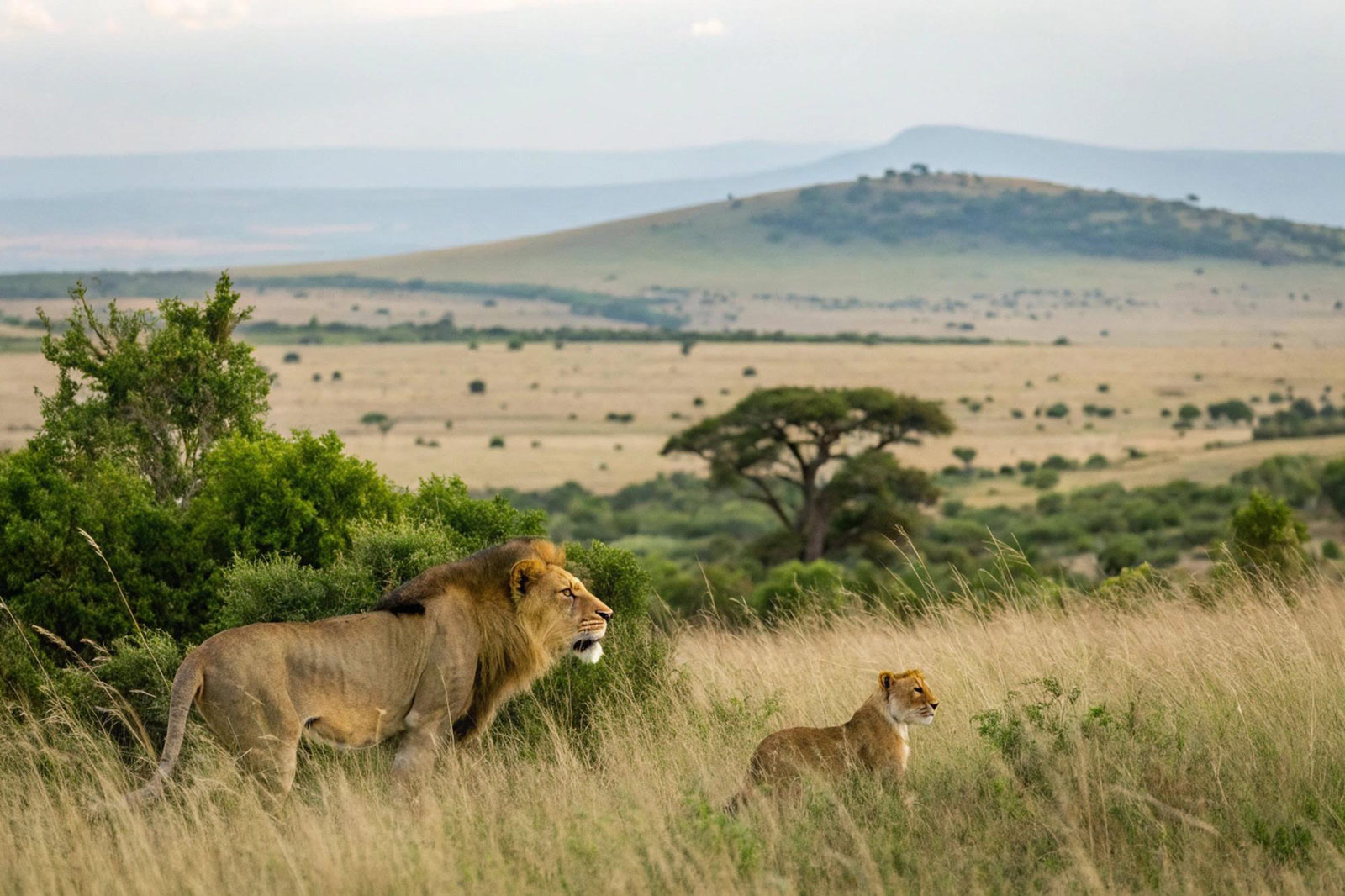
A New Step Before Your Kenya Safari
Imagine that you’ve finally booked your Kenya safari. The flights are confirmed. You’ve chosen your lodge. The Masai Mara is waiting. Then you discover there is another important travel requirement you need to take care of before departure.
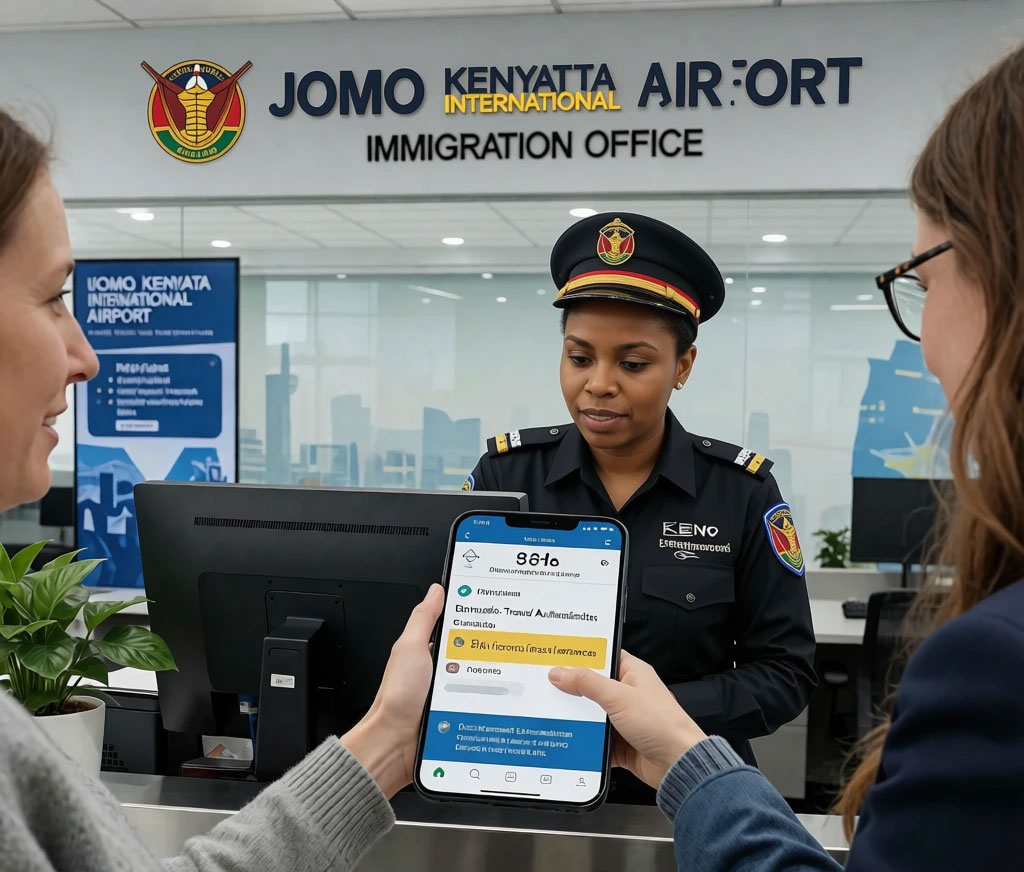
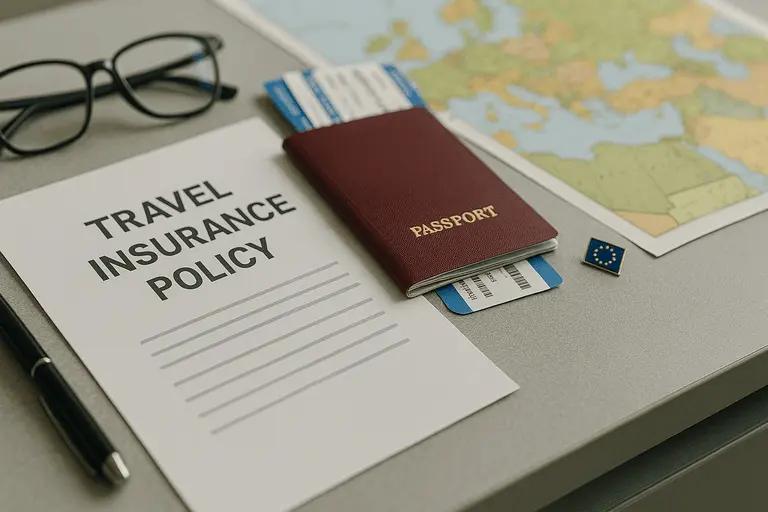
Kenya has introduced a mandatory travel-health insurance requirement linked to its Electronic Travel Authorisation (eTA) process. For international visitors, the change means travel insurance is no longer something to consider only as an optional extra, but needs to become part of your safari preparation.
What Is Changing?
Under the new requirement, international visitors are required to have travel-health insurance, with reported minimum coverage of US$50,000, and insurance information forms part of the travel-authorisation process.
For travellers, the message is simple: Don’t wait until you are packing your safari bag to think about insurance. Your travel documents should be checked well before departure.
Requirements can change, and travellers should always verify the latest official entry requirements before travelling.
What Does This Mean for Someone Planning a Kenya Safari?
For most travellers, it simply means adding one more item to the pre-safari checklist. But it is also a useful reminder that travel preparation is part of the safari experience. A great safari starts before you board the plane.
Your Kenya Safari Preparation Checklist
- Check your entry requirements – Make sure your passport, visa/eTA and other required documents are valid and up to date.
- Arrange appropriate travel insurance – Make sure the policy meets the current Kenyan requirements and is suitable for the activities included in your trip. If you are travelling to remote safari areas, it is particularly important to understand what your policy covers.
- Plan your safari itinerary – Kenya offers far more than one famous national park. You might begin in Nairobi before travelling to the Masai Mara, continue towards Lake Naivasha or Amboseli, or combine Kenya with Tanzania.
- Prepare for different environments – A Kenya safari can involve cool early mornings, warm afternoons, long game drives and different accommodation environments. Pack for the actual itinerary rather than simply packing “for Africa.”
Where Should You Go on a Kenya Safari?
Masai Mara National Reserve
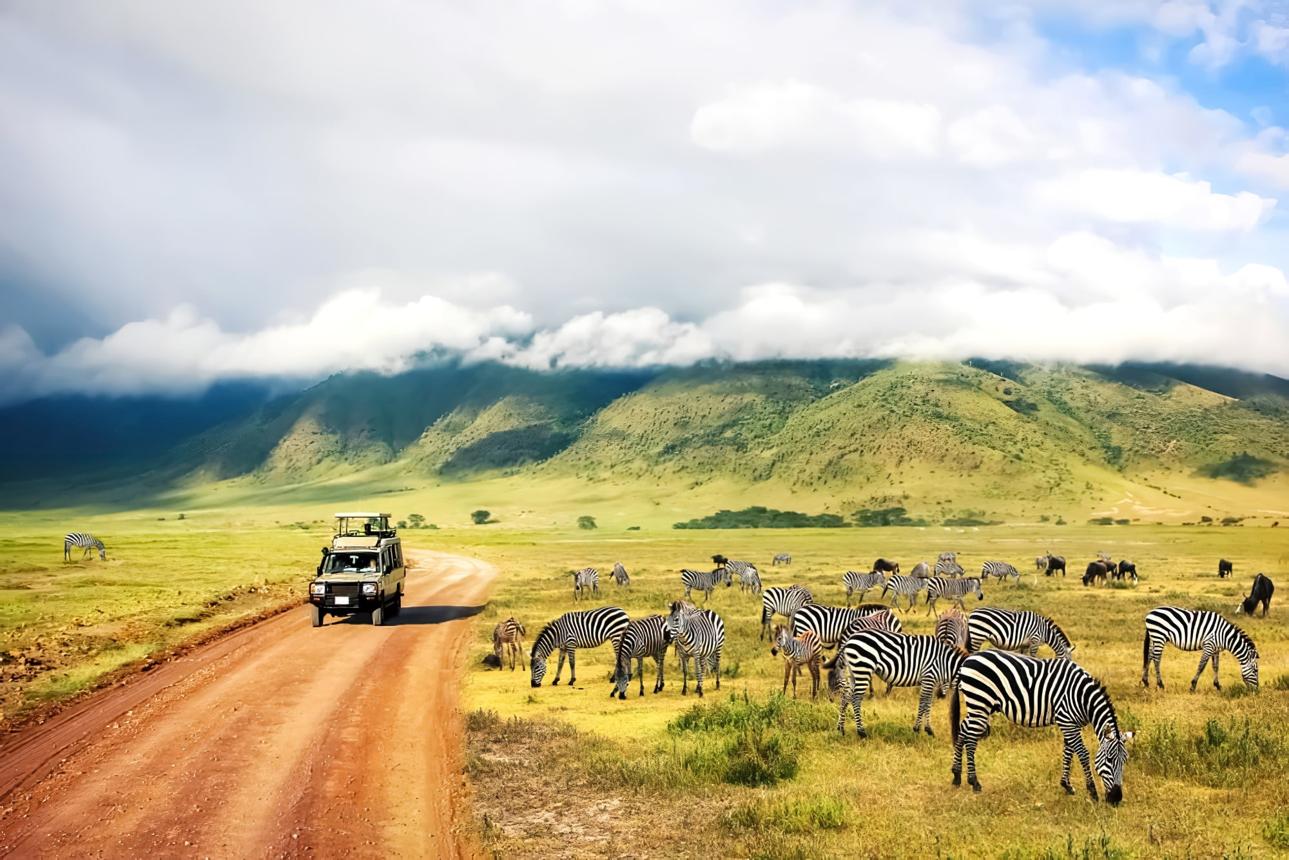
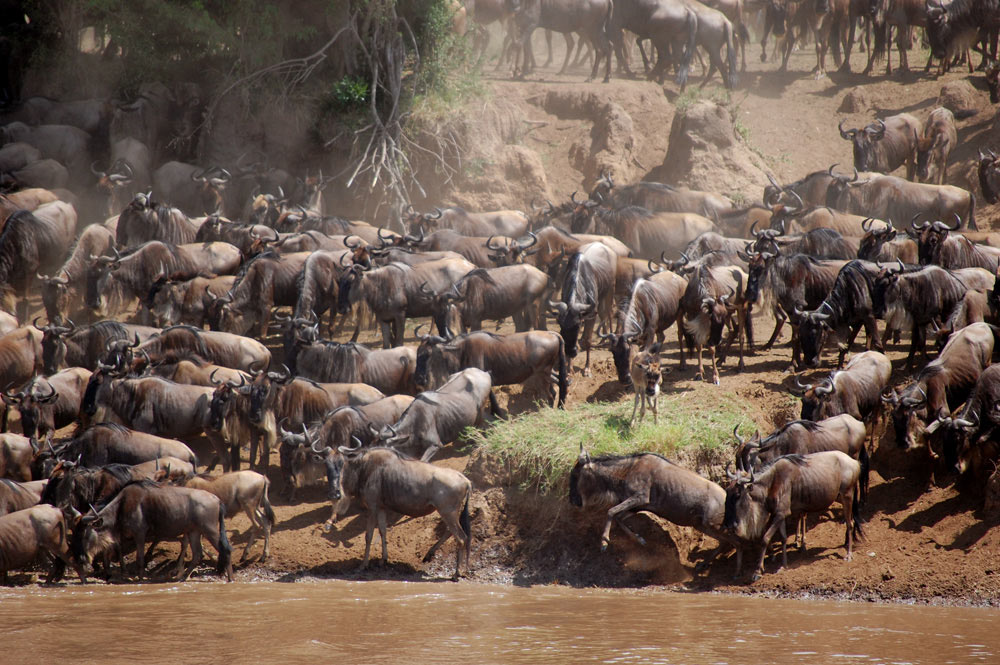
For many travellers, the Masai Mara is the quintessential Kenya safari destination. The open grasslands provide exceptional opportunities for wildlife viewing, particularly big cats. If your dream involves watching lions, cheetahs and elephants against an endless African horizon, this is a natural starting point. And during the Great Migration, the Mara becomes part of one of the world’s most spectacular wildlife movements.
Amboseli National Park
Want elephants with a dramatic backdrop? Amboseli is famous for its large elephant populations and spectacular views towards Mount Kilimanjaro. It is particularly attractive to photographers and travellers looking for iconic African landscapes.
Lake Nakuru
Lake Nakuru offers a different experience, combining wildlife with beautiful scenery and opportunities to see rhinos and other species. It can also work well as part of a broader Kenya itinerary.
Diani Beach
Why end a safari when you can continue the adventure to the coast?
A Kenya itinerary can combine wildlife with a few days on the Indian Ocean. Imagine finishing your safari with warm beaches, turquoise water and a slower pace. That is the beauty of combining Kenya’s safari circuit with the coast.
Should the New Requirement Put You Off Visiting Kenya?
Not necessarily. For travellers who already take travel insurance seriously, this simply turns something that was previously recommended into a formal part of the travel-planning process.
The bigger lesson is: Check the requirements early. Travel regulations can change, and what applied when you started researching your safari may not necessarily be what applies when you travel.
Our Advice to Kenya Safari Travellers
Before you leave home:
✔ Check Kenya’s latest entry requirements.
✔ Obtain the required travel authorisation.
✔ Arrange compliant travel-health insurance.
✔ Keep copies of important documents.
✔ Confirm your safari itinerary.
✔ Check your accommodation and transfer arrangements.
✔ Ask your safari operator what you need to prepare before departure.
And most importantly:
Don’t let paperwork overshadow the reason you’re going.
Because once you’re sitting in a safari vehicle watching a lion disappear into the golden grass, you’ll understand why all the preparation was worth it.
Ready for Your Kenya Safari?
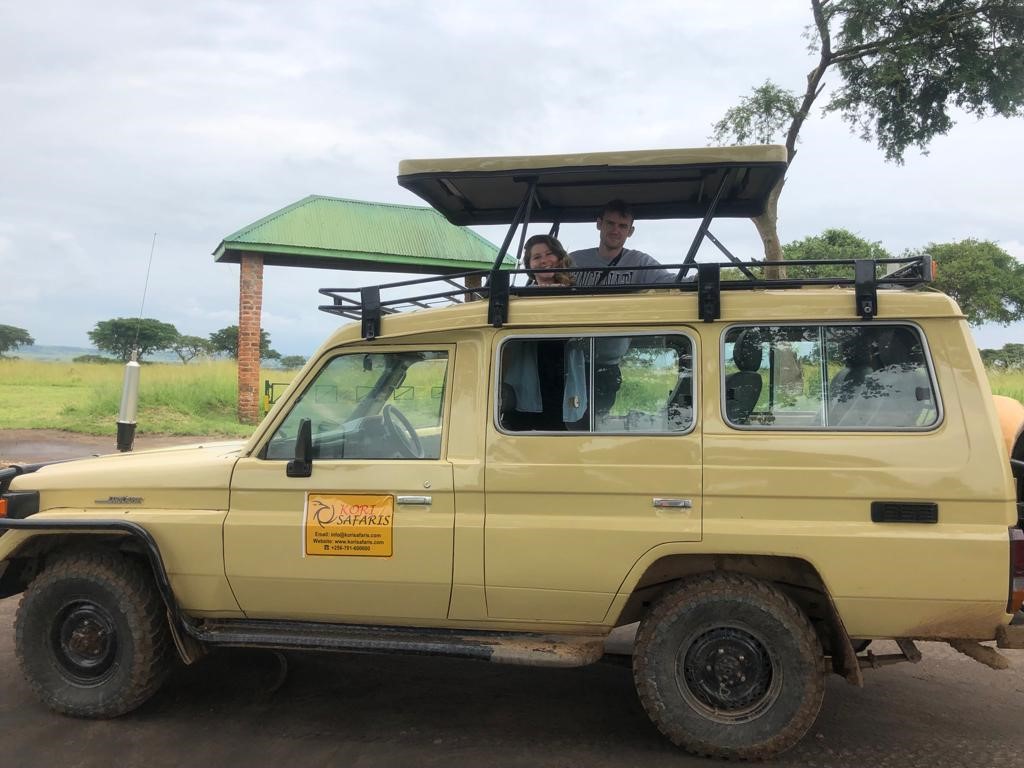
At Kori Safaris, we believe good safari planning is about more than choosing a national park. It is about helping travellers understand the journey from the moment they start planning until they return home. If Kenya is calling, let’s start planning.